
unairable
- adjective
- /ʌˈnɛrəbəl/
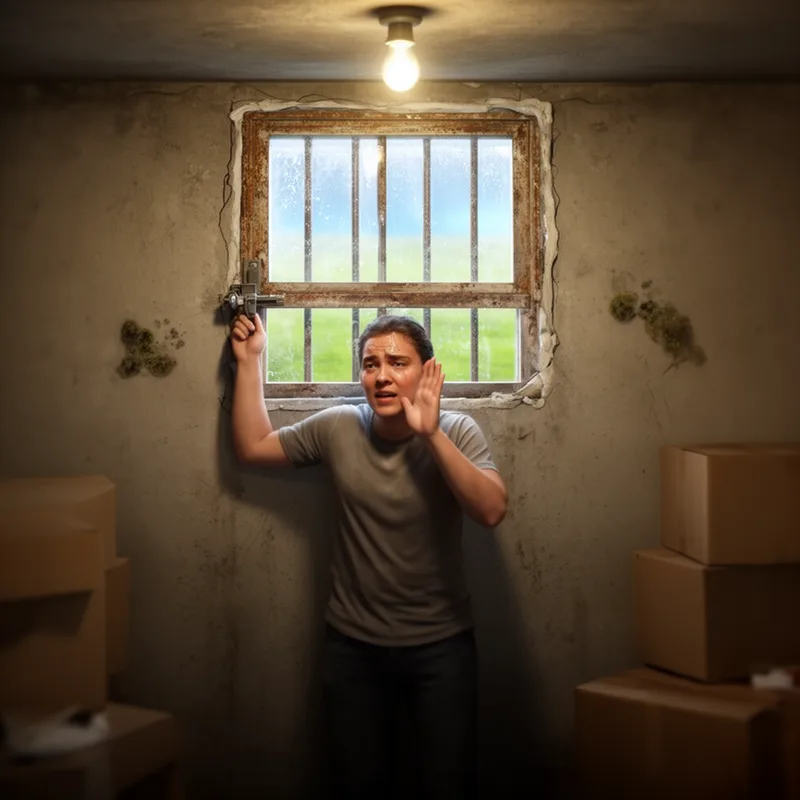
- The old basement was so unairable that it always smelled musty.
Examples
-
They found the attic unairable during the hot summer months.
-
After the flood, the room became unairable and needed professional cleaning.
-
The room felt unairable after the windows were closed.
-
After the storm, the basement became unairable due to the humidity.
-
The old basement was so unairable that it always smelled musty.
-
After the flood, the room became unairable and needed professional cleaning.
-
The room felt unairable after the windows were closed.
Synonyms

 29
3.4
29
3.4

Too warm and without fresh air
 13
2.7
13
2.7
A room with little fresh air that feels uncomfortable to breathe in
 4
4.9
4
4.9
A room or building with little fresh air that feels stuffy
 1
5.1
1
5.1
Making it hard to breathe because the air is hot, close, or not fresh
 1
6.3
1
6.3
A room with no fresh air moving in


 1
7.9
1
7.9
Having no openings for air or gas to leave

Hot, heavy air that makes it hard to breathe

Material that does not let air through, making you feel hot and damp

Too large or not able to enter the lungs when breathed in
Antonyms
How Ventilated

Surface Forms
Morphology
unairable = airable (transparent) = un + air + able
Formed by adding the productive negative prefix 'un-' to 'airable' (air + -able); meaning 'not able to be ventilated' is directly inferable from the parts.
Etymology
Unairable is built from the parts un- 'not', air 'fresh air', and -able 'able to'. So it literally means 'not able to get air', which makes sense when we call a room unairable because it is stuffy or musty.