

substrate
 3
7.3
3
7.3

- noun
- /ˈsʌbˌstreɪt/
- Specialized
- Algae and other sea organisms coat the exterior of plastic objects and use them as habitat substrates.
- a substrate for growth
- a suitable substrate
- surface of a substrate
Loading YouTube…
Watch on YouTubeSo removing cells from a substrate, it might be a wall, it might be a vaginal swab, it might be something else.
- So removing cells from a substrate, it might be a wall, it might be a vaginal swab, it might be something else.
Examples
-
Because fungi are specific to their substrate, they never grow and live separate from a symbiote.
-
With large inputs of fine sediments, there is a substantial change in substrate type.
Academic text (2000) -
The blood was allowed to dry on the substrates at room temperature for four days.
Academic text (2007) -
Moreover, the new substrate being shell, rather than sand or silt, provided habitat for encrusting invertebrates.
Academic text (1990) -
Harbor seals frequent coastal and estuarine waters and haul out on a variety of substrates
Academic text (2000) -
Eelgrass, red algae, hanging kelp, rocks, shells, pier pilings, and boat bottoms are suitable substrates.
Academic text (2003) -
The coral reef provides a diverse substrate for the growth of various marine organisms.
-
In aquaculture, a clean and nutrient-rich substrate is essential for healthy fish development.
-
The scientist analyzed how different types of soil act as a substrate for plant growth.
Synonyms
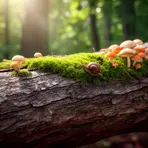
A surface on which a plant, fungus, or small animal grows
How Supportive
- Specialized
1
4.1
 325
1.0
325
1.0
- Specialized
3
7.3
178
1.0
66
1.0
∞
1.0
Surface Forms
Morphology
Etymology
Substrate comes from the Latin parts sub- 'under' and stratum 'layer', so it originally meant a 'layer under' something. In biology a substrate is the surface or material an organism lives on or attaches to, which fits the idea of the thing under and supporting life.