
sensory
 6
3.9
6
3.9

- adjective
- /ˈsɛn.sə.ri/
- Specialized
 :
sensitivo
:
sensitivo
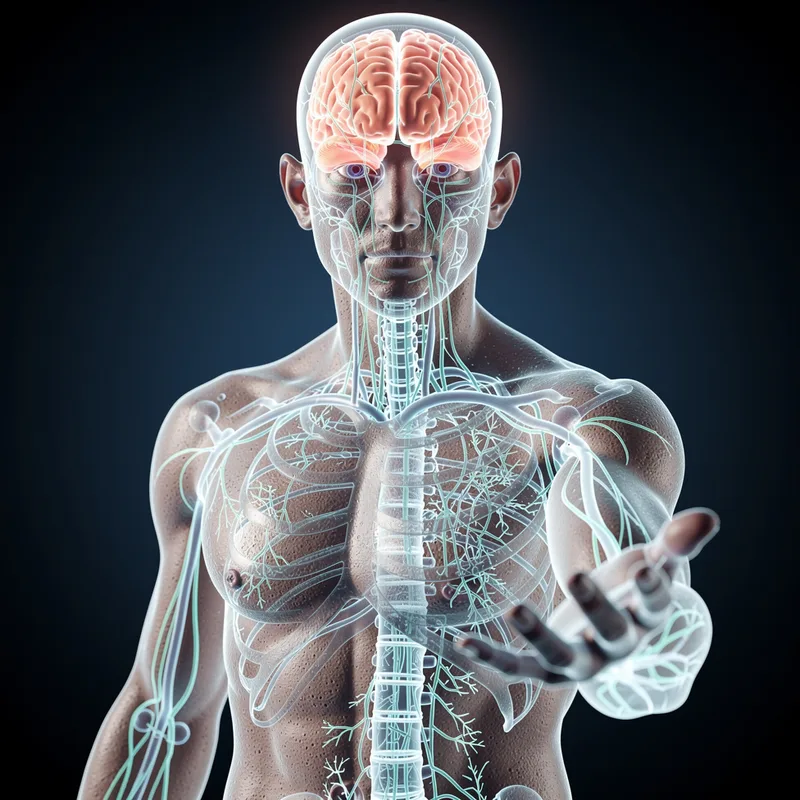
- Skin, unlike other tissues, has sensory mechanisms that permit localization of the stimulus.
- sensory impairment
- sensory neurons
- sensory nerve
And here's what it is The brain itself, meaning the brain tissue, does not have any sensory neurons.
- And here's what it is The brain itself, meaning the brain tissue, does not have any sensory neurons.
- So what that what what does that evolution of your sensory motor loop do?
- There is, there's motor sensory integration techniques.
- Is very uniformly spread in all sensory points in my mouth.
- It's more fluid, it's more dynamic, it's more sensitive to incoming sensory information in that state.
- So with a single sensory measurements, it would have, for example, we actually have a nice example here.
- Stimulation coming in through my sensory systems felt like pure pain.
- But how much more powerful if the nervous systems can also cross correlate across sensory systems?
Examples
-
We now know, for example, that sensory perception occurs not just in the mouth and tongue, but it occurs through the upper GI tract.
-
It's more fluid, it's more dynamic, it's more sensitive to incoming sensory information in that state.
-
You see things, smell them, touch them, but what can you do with the sensory input?
Fiction book (2000) -
At this point, the sensory root, which is the largest nerve in the area, is easily identified.
Academic text (1996) -
You have to, if you are a person who is sensory sensitive, you have to have soft clothing, soft sheets and soft towels.
-
Stimulation coming in through my sensory systems felt like pure pain.
-
Many other hallucinations, including smells, sights, and sounds, also involve the same brain areas as real sensory experiences.
-
Overexposure to sound is the leading cause of damage to sensory hair cells, called cilia, in the inner ear.
Academic text (2008) -
That is, you have two sensory systems that are talking to your brain about how you're moving through the world, and as long as they agree, you're fine.
-
The doctor explained that sensory nerves relay information from the skin to the brain.
Synonyms
 1
8.5
1
8.5
Carrying sensory signals from the body to the brain or spinal cord
 1
8.9
1
8.9
Carrying sensory information from the body to the spinal cord or brain
A nerve or signal that goes from the body toward the brain and spinal cord
Compounds

- NSFW
6
7.9
A situation in which people on purpose remove almost all sight, sound, or touch from someone

- Specialized
1
9.2
Able to speak easily but say words that do not make sense and cannot understand speech or writing
- Specialized
1
5.8
A body part that senses touch, light, or sound and sends signals to the brain

- Specialized
1
3.8
Body parts and nerves that get and use messages from sight, hearing, taste, smell, and touch
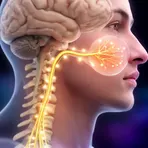
- Specialized

 1
3.7
1
3.7
A long thin part that sends feelings from the skin to the brain and spinal cord

Online videos and streams made to cause the pleasant tingling feeling and help people relax

- Specialized
A pleasant tingling on the scalp that moves down the neck and spine and makes you feel very relaxed

- Specialized
An inherited nerve disease that causes gradual weakness and loss of feeling in the hands and lower legs

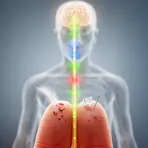
- Specialized
A thin nerve that sends messages about touch, pain, or temperature to the brain


- Specialized
A thin artificial hair on robots or artificial hands that senses touch, air movement and vibration

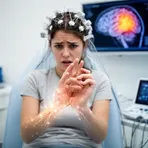
- Specialized
A condition where seizures begin with feelings like numbness or tingling
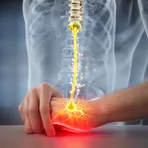
- Specialized
A nerve cell that sends signals from the body to the brain or spinal cord

- Specialized
The body system that senses touch, temperature, pain, and feelings from inside the body
Surface Forms
Morphology
Etymology
Sensory comes from the Latin sentire, which means 'to feel'. In science and medicine, sensory describes the nerves that carry messages from the body's sense organs to the brain, so sensory nerves bring 'feeling' and other sense information to your brain.