

to sap
 1
9.6
1
9.6

- verb
- /sæp/
- Archaic
- Engineers began to sap the ground beneath the fortress walls to create a vulnerability for the assault.
Examples
-
They believed the war would also limit their influence over other countries in the region and would sap their military capabilities.
Academic text (1991) -
Naturally, soldiers weren't allowed tobacco, which would sap their wind and stamina.
Fiction book (1990) -
The method of operation of Al-Qaeda and its allies is today what it has long been: spread out U.S. military assets so as to sap their reserves and flexibility.
Blog text (12) -
The heat sapped the army, and morale sank when rumors reached them of a Spartan revolt back home.
Fiction book (1999) -
The enemy troops used tactics to sap our defenses, making it easier for them to attack.
-
In order to sap the leader's influence, the rival faction spread rumors among the soldiers.
Synonyms
 14
3.2
14
3.2
Remove something that is under the ground or snow using a shovel
 8
6.8
8
6.8
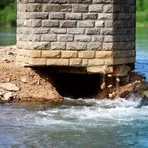
Remove the ground or support under something so it becomes weak
Antonyms


Idioms


How Damaging

Surface Forms
Etymology
Sap — The verb sap in war comes from an old idea of digging under walls; to sap a fort is to 'dig under' its base so it will fall. That's why sap means to weaken something by removing its support.