

runner
 7
6.3
7
6.3

- noun
- /ˈrʌnər/
- Specialized
- Many strawberry varieties send out runners that root and make new plants.
- spread by runners
- send out runners
- plant the runners
Loading YouTube…
Watch on YouTubeNow, the most common form of runners are things like strawberries.
- Now, the most common form of runners are things like strawberries.
- Thousands of plants, each one of these runners has sometimes three or four other side runners.
Examples
-
Pea plants launched themselves against the back fence, and the strawberry runners formed a solid carpet over the ground, dense as matting.
Fiction book (1994) -
Now, the most common form of runners are things like strawberries.
-
And he helped me plant the runners that Uncle Ed gave me.
Fiction book (2002) -
Now, the most common form of runners are things like strawberries.
-
I always recommend pruning off your runners in the fall.
-
"I snipped off those runners that the mother plant sent out to root.
Fiction book (2002) -
Several other perennial beans, including runner beans, are suited to the highland tropics.
Blog text (1) -
On the bottom, there were green runners and half-rotten roots, thickly intertwined in a dark green muck.
Fiction book (1999) -
I always recommend pruning off your runners in the fall.
Synonyms
 4
6.0
4
6.0
A part that sticks out from the main surface, like a step in a wall
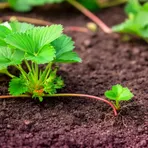
A side stem that grows from the base of a plant and makes new plants
Compounds







- Archaic
 1
9.9
1
9.9
A member of London's first organized police force from the mid 1700s to the early 1800s




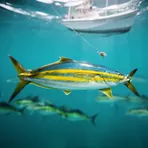
A large, fast tropical fish with a blue green back and yellow stripes that people catch for sport

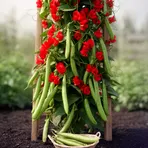
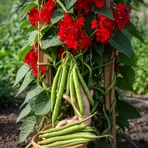

- Australian
A low-growing Australian vine with hairy stems and bright red and pink flowers
How Spreading
- Specialized
7
6.3
 116
1.0
116
1.0
Surface Forms
Morphology
Etymology
Runner comes from the old word run plus the ending -er meaning 'one or something that moves'. In plants a runner is a stem that 'runs' along the ground and makes new small plants where it touches the soil.