

restraint
 73
4.7
73
4.7

- noun
- /rɪˈstreɪnt/
- The nurse gently placed the patient under restraint to prevent any movement during the procedure.
- physical restraint
- use of restraints
- seclusion and restraint
Loading YouTube…
Watch on YouTubeSo in terms of breaking out locks and restraints and captivity.
- So in terms of breaking out locks and restraints and captivity.
- You know, they've, they've learned how to use, you know, restraints, you know, physical restraints in ways that are much more compassionate.
- The prison office or manual restraints booklet.
- I think like they're they're like using some sort of restraint tourniquet.
- So I basically, for most of the time I, I, if I could, I would use restraints and, and, and do it in that fashion.
- So a lot of court work, self defence and restraint was a bit of judo, quite farcical really.
Examples
-
During his two-week trial, he became violent and had to be placed under restraint in the courtroom.
Fiction book (2001) -
Somebody get these restraints off!
-
If necessary, put under restraint!
-
We had a con two of us under restraint in a cell.
-
How did he get out of the restraints?
-
That's your privilege, sir, but if you give us any trouble here... I'll have to put you under restraint.
-
When Leena first arrived, she struggled so hard against her restraints that she would bleed severely.
-
We were forced to use restraints, if that's what you're referring to.
-
The judge ordered the defendant to be placed under restraint while awaiting trial for his own safety.
-
The dog was kept in a kennel with a strong restraint to ensure it could not escape.
Synonyms
 340
3.0
340
3.0
A rule or action that limits what you can do
 218
3.4
218
3.4
Something that stops or controls another thing
 80
5.9
80
5.9
A state of being kept in a small closed space and unable to move freely
 48
4.5
48
4.5
A limit on how much someone can do
 22
4.6
22
4.6
A thing that stops or controls movement to keep people and machines safe
 18
3.4
18
3.4
Stopping a player from moving by standing in front of them
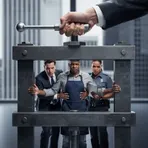 3
8.0
3
8.0
A strong control that stops people or groups from acting freely
 2
7.0
2
7.0
Something that limits a person's actions or power
 1
7.0
1
7.0
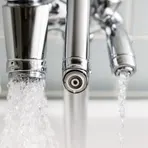
A device that limits how much something moves or flows
 1
6.9
1
6.9
To stop a person or thing from moving

An action that stops a person or thing from moving

A device that stops or slows moving parts to keep people safe

Holding someone back so they cannot grow or act freely
Antonyms


Compounds

- Specialized
1
7.0
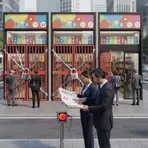
A rule or action that stops free competition between businesses
- Specialized

 1
4.1
1
4.1
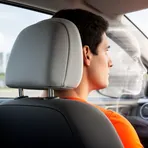
A padded support on top of a car seat that holds the head and reduces neck injury in a crash

An agreement between companies that limits competition, often by fixing prices, and is illegal under US law
How Restricted

Surface Forms
Morphology
Etymology
Restraint comes from the parts re- 'back' and strain 'to pull tight', the same root as string, so imagine a rope pulling someone back to stop movement; that is why it can mean a device or action used to prevent movement.