

respiratory illness
 3
3.4
3
3.4

- noun
- /ˈrɛspəˌrɛtɔri ˈɪlnəs/
- We know that First Nations harbor rates of respiratory illnesses, such as tuberculosis, 29 times that of non-Aboriginal-born Canadians.
- acute respiratory illness
- respiratory illnesses, including asthma
- epidemics of respiratory illness
Loading YouTube…
Watch on YouTubeMillions of fire, you know, not a million, but thousands of people, respiratory illnesses, lungs, cancers of every sort and kind.
- Millions of fire, you know, not a million, but thousands of people, respiratory illnesses, lungs, cancers of every sort and kind.
Examples
-
Severe acute respiratory syndrome, or SARS, is a highly contagious respiratory illness that can cause severe illness and death.
Academic text (2006) -
I'll just get over my chronic respiratory illness.
-
Despite the current economic situation, patients with respiratory illness continue to travel in increasing numbers.
Academic text (2012) -
I spent months in bed during the war, ravaged by respiratory illness.
-
In 1989, the epidemic of respiratory illness and numbers of deaths were linked to both viruses.
Academic text (1993) -
There is also an increase in the demand for health care as environmentally related diseases, such as respiratory illnesses, rise.
Academic text (2011) -
For example, emissions of particulate matter from power plants increase the likelihood of respiratory illness, particularly among the elderly and young populations.
Academic text (2000) -
Infected people got a respiratory illness with symptoms ranging from mild flu like signs to severe pneumonia.
-
Inadequate air quality can cause or contribute to respiratory illnesses, including asthma (3).
Academic text (1997) -
Many children suffer from a respiratory illness during the winter months due to increased flu viruses.
Synonyms
 7
3.5
7
3.5
A sickness that affects the nose, throat, airways, or lungs
 4
3.2
4
3.2
A disease that affects the lungs or airways and makes it hard to breathe
 3
3.3
3
3.3
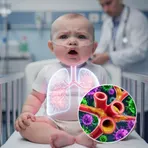
A sickness that affects the nose, throat, or sinuses
 2
7.7
2
7.7
Swelling of the small airways in the lungs caused by an infection that makes breathing hard
 2
8.9
2
8.9
A condition where infection, allergy or harmful fumes make the lungs swell
 1
4.1
1
4.1
A sickness of the parts used for breathing, like the nose and lungs, that causes cough and breathing problems
 1
3.5
1
3.5
Swelling of the breathing tubes that makes you cough and have trouble breathing


 1
4.0
1
4.0
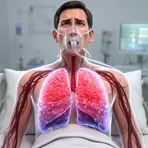
A disease that affects the lungs or other parts used for breathing
 1
6.0
1
6.0
Fluid or blood that builds up in the lungs and makes breathing hard
 1
8.3
1
8.3
A severe lung condition that makes it hard to get enough oxygen to the body
 1
4.4
1
4.4
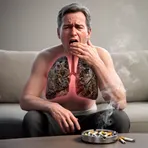
Lung damage from breathing cigarette smoke for many years that makes breathing hard and causes a long cough

An infection in the nose, throat, or lungs

An infection in the lungs or large airways that causes cough and fever

An infection that makes the windpipe and tubes to the lungs swollen and sore

Inflammation of the tiny air sacs in the lungs often caused by breathing in dust

Swelling of the windpipe caused by infection or irritation
How Severe
- Specialized
121
4.3
 3
3.4
3
3.4
- Specialized
1
3.5
17
1.1
Surface Forms
Morphology
The meaning is directly and transparently derived from combining 'respiratory' (pertaining to the organs of respiration) with 'illness' (a disease or condition), yielding a disease affecting the breathing organs. This adjective+noun composition is a straightforward descriptive pattern common across languages, so a B1 learner who knows both constituents will readily understand it.
Etymology
Respiratory illness puts together respiratory, which is about 'breathing', and illness, so it literally means a sickness that affects your breathing. Imagine a blocked nose or sore lungs that make it hard to breathe; that picture explains why the phrase means a disease of the nose, throat, or lungs.