

reproductive
 139
4.5
139
4.5

- adjective
- /ˌriːprəˈdʌktɪv/
- Understanding your reproductive health is essential for making informed choices about family planning.
- reproductive health
- reproductive system
- reproductive organs
Loading YouTube…
Watch on YouTubeSo Ruth Bader Ginsburg is very strong on reproductive rights for women.
- So Ruth Bader Ginsburg is very strong on reproductive rights for women.
- So this raises an issue of not only reproductive rights, but human health, Women's Health.
- And you know, the reproductive capacity is very much about survival.
- By seeds I mean grains, legumes, nuts, and seeds, the reproductive organ of the plant.
- Does that mean they should go see you or another male urologist, reproductive health specialist?
- We're going to start by seeing the history of the mammalian reproductive tract.
- I was born with male reproductive parts, reproductive parts and internally.
- And so, you know, nobody if women are beyond reproductive years in general.
- Not, you know, not reproductive healthcare, but killing a human being.
- If you don't know what lark is, it's long acting reproductive contraception.
- But I would never call it reproductive healthcare rights.
Examples
-
Young seahorses of most species probably reach reproductive size in the next year.
Academic text (1990) -
The United States, unlike many countries, has no national policies governing assisted reproductive technology, including surrogacy.
Academic text (2011) -
Taking control of your reproductive health starts here.
-
The full title is everything you need to know about your reproductive health, but we're never told.
-
And, you know, I do know a lot of people who have reproductive problems because of it.
-
And all movements are damaged when reproductive freedom does not exist.
-
The genes designed us for their purpose of reproductive success.
-
And you know, the reproductive capacity is very much about survival.
-
We live in the state of Oklahoma where women have lost reproductive rights and privacy.
-
"Female moths are the prime target because of their egg-laying and reproductive role," says Lopez.
Academic text (1999)
Synonyms
 58
2.9
58
2.9
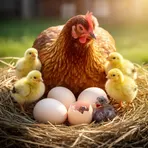
Relating to making new living things when two parents join cells
 24
2.8
24
2.8
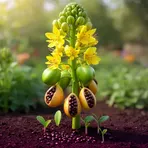
A living thing that can have many young or seeds
 3
6.9
3
6.9
Relating to producing young
 2
7.3
2
7.3
Having the ability to make or produce new things

Able to produce young or seeds

Able to produce offspring or new things

Kept to produce young animals
Compounds


- Specialized
1
6.5
To make a new animal or person with the same genes as another
- Specialized
1
3.9
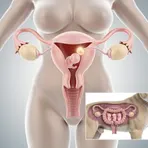
Body parts in women and female animals that make eggs and support pregnancy
- Specialized
1
3.4
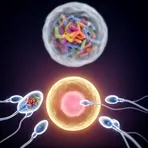
A cell like a sperm or egg that carries half the genes for a new life


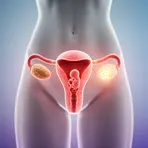
- Specialized
An organ inside the female body that makes eggs or supports a pregnancy

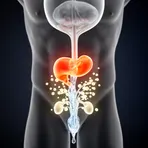
- Specialized
A gland inside a man's body that helps make the fluid that carries sperm
- Specialized
A process that makes a person who has the same genes as another person

- Specialized
A way of remembering that makes an exact copy of the original experience
How Reproductive

Surface Forms
Morphology
Etymology
Reproductive comes from the prefix re- meaning 'again' and the word produce meaning 'to make'. So, reproductive describes something that makes or helps make new life or offspring.