
fertile
 24
2.8
24
2.8

- adjective
- /ˈfɜːrtəl/
- So the females will lay eggs that are not fertile, will not hatch, and will not produce other generations.
- fertile ground
- fertile soil
- fertile female
Loading YouTube…
Watch on YouTubeThey have sex when it's not the fertile moment in a woman's cycle.
- They have sex when it's not the fertile moment in a woman's cycle.
- That is to say, pretty much any human can be fertile with almost any other human.
- Your risk of being not as fertile.
- They had reproduced with males before and had full access to fertile males, but decided to lay eggs solo.
- And it clearly has immense long term risk, greatly decreases the risk that this young person will ever be fertile or ever have a child of their own.
- That would basically be any young healthy woman who seems like fit and fertile and relatively like unchoosy, right?
- Do you want to have the sexual appeal of a fertile horse in heat?
Examples
-
The doctor says I'm fertile.
-
For researchers, the results of this study provide fertile ground for new research as well.
Academic text (2000) -
That this woman, who looked as fertile as the Tennessee valley, could not bear children.
-
Healthy ecosystems provide us with fertile soil, clean water, timber, and food.
Academic text (2012) -
Resistance to these mandates provides fertile ground for cooperation among business, state, and local officials.
Academic text (2002) -
Estelle was going on sixteen, a big girl, sweet and dumb and fertile as a cow.
Fiction book (1992) -
Because lobsters live for over 100 years... ...are blue-blooded like aristocrats... ...and stay fertile all their lives.
-
The farmer was pleased with the corn harvest because the land was fertile and well cared for.
-
In the spring, the garden became fertile with blooming flowers and ripe fruits.
-
The biologist noted that the species thrived in fertile environments where water and sunlight were abundant.
Synonyms
 46
2.7
46
2.7
Giving large amounts of crops or fruit
 43
3.9
43
3.9
Producing good, useful results
 7
6.0
7
6.0
Producing many young animals, fruit, or flowers
 3
6.9
3
6.9
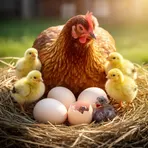
Relating to producing young
 1
9.1
1
9.1
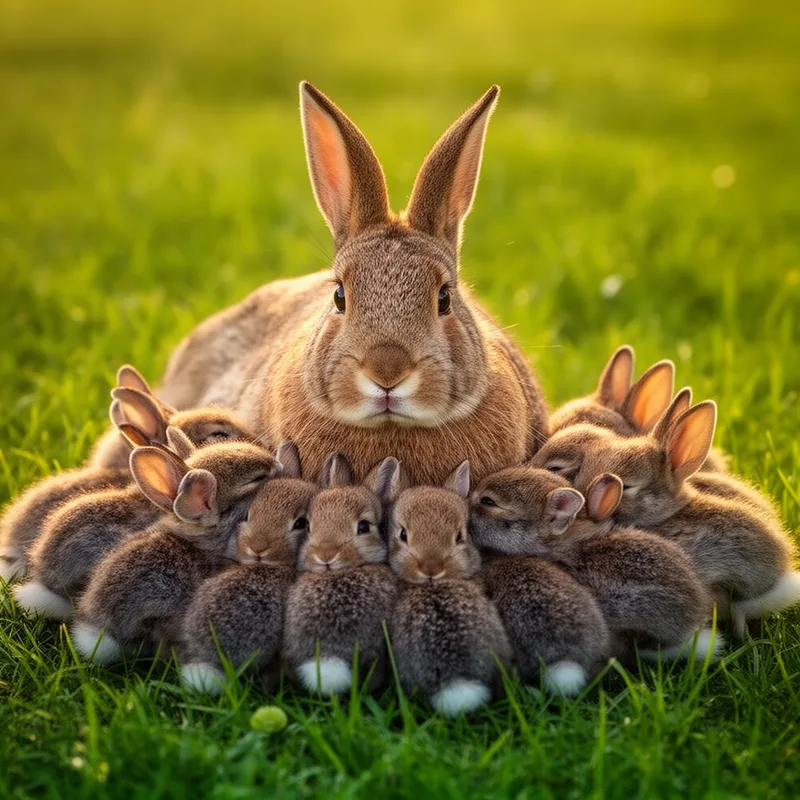
Able to produce many young animals, seeds, or fruit, for example rabbits and rich soil

Able to produce young or seeds

Able to produce offspring or new things

Able to become pregnant

Producing many young animals or plants

Able to have young
Antonyms


Compounds

 1
5.1
1
5.1
A curved area of rich farmland from the Nile to the Tigris and Euphrates where early farming and cities began




How Fertile

Surface Forms
Etymology
Fertile comes from the Latin word fertilis, which means 'fruitful' or 'able to bear'. Think of a fertile animal or plant as one that can 'bear' many young or seeds, which is why the word means able to reproduce.