
representationalism
- noun
- /ˌrɛprɪˌzɛnteɪʃənəlɪzəm/
- Specialized
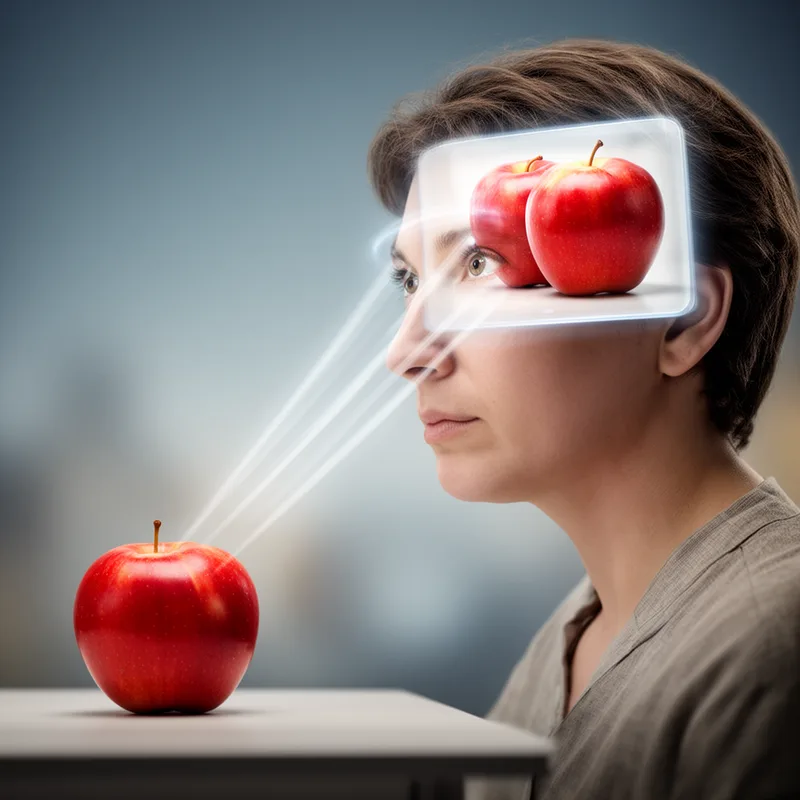
- The theory of representationalism posits that we understand the world through mental representations rather than direct experience.
Examples
-
So what just what is strong representationalism in this this subject of psychological explanation?
-
He shows that such a view can encompass and thus situate an empirical approach based on representationalism.
Academic text (1992) -
And then what happened, people like Michael Tye and Bill Lykon and David Armstrong inverted me to representationalism about perceptual experiences.
-
And finally, in the chapter called "The Tree of Knowledge": "Again we must walk the razor's edge, eschewing the extremes of representationalism (objectivism) and solipsism (idealism)" (241).
Academic text (2006) -
In representationalism, it is believed that our perceptions are influenced by internal mental constructs.
-
A key principle of representationalism is that knowledge comes from our mental images rather than direct interactions with reality.
Synonyms



 1
9.9
1
9.9
Mental images or thoughts that stand for the outside world and help us know about it
Antonyms


- Formal
The belief that people learn best by doing things rather than by reading or listening
How Representational

Surface Forms
Morphology
representationalism = representational (semi-transparent) = represent + ational + ism
Adding '-ism' to 'representational' straightforwardly yields a doctrine or theory, though the resulting term is specialized.
Etymology
Representationalism comes from represent meaning 'to show' (as in present) and -ism meaning 'a theory or belief'. So, in philosophy, representationalism is the idea that our minds make 'inner pictures' that 'show' the world to us, and that our knowledge comes from these pictures rather than from direct experience.