
representationism


 1
9.9
1
9.9
- noun
- /ˌrɛprɪzɛnˈteɪʃənɪzəm/
- Formal
- The theory of representationism suggests that knowledge stems from the mental images we create of reality.
Examples
-
What is representationism?
-
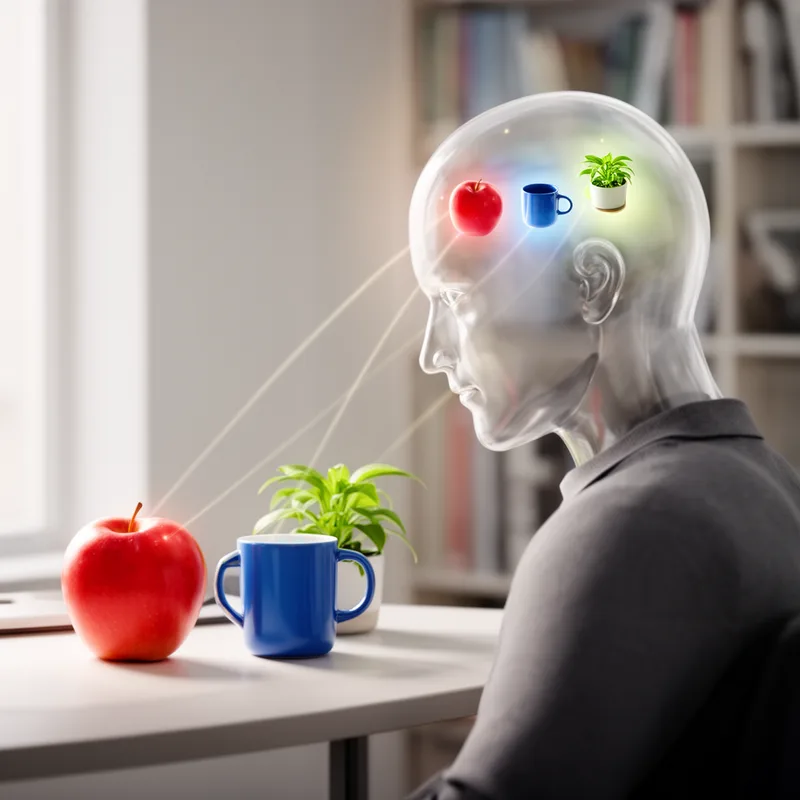
According to representationism, our minds do not perceive objects directly but through mental images.
-
Many debates in philosophy of mind center around the validity of representationism.
-
Some critics argue that representationism cannot fully explain conscious experience.
-
The idea of representationism fascinates me!
-
According to representationism, mental states are understood as representations of things that exist outside of our minds.
-
In philosophy, representationism asserts that our perceptions are a reflection of the external world, forming the basis of knowledge.
Synonyms

The idea that we see the world through mental pictures rather than directly
How Representational

Surface Forms
Morphology
representationism = representation (transparent) = represent + ation + ism
Formed by adding the productive noun-forming suffix '-ism' to 'representation', yielding a doctrine or theory; the derivation is regular and meaning is predictable.
Etymology
Representationism comes from represent meaning 'to show' and the ending -ism meaning 'a belief or theory'. It pictures the mind as making inner 'pictures' of the outside world, so the idea is that our knowledge comes from those mental images.