
to rebuff
 3
7.9
3
7.9

- verb
- /rɪˈbʌf/
- The court also rebuffed the nonsettlors' request for an evidentiary hearing.
- rebuffed attempts
- rebuffed efforts
Examples
-
The first was to rebuff terrorism.
Academic text (2018) -
In its fateful decision to vote against the treaty, the United States complained of having been rebuffed on two issues.
Academic text (1998) -
In the United States, it has been rebuffed by the government time and time again.
Blog text (8) -
FBI efforts to win greater surveillance powers had also been largely rebuffed.
Academic text (2003) -
So far, Polygram has been rebuffed in its very public attempts to have this application approved.
Academic text (1997) -
The United States sought to involve Latin American states in the Korean War and was generally rebuffed.
Academic text (1990) -
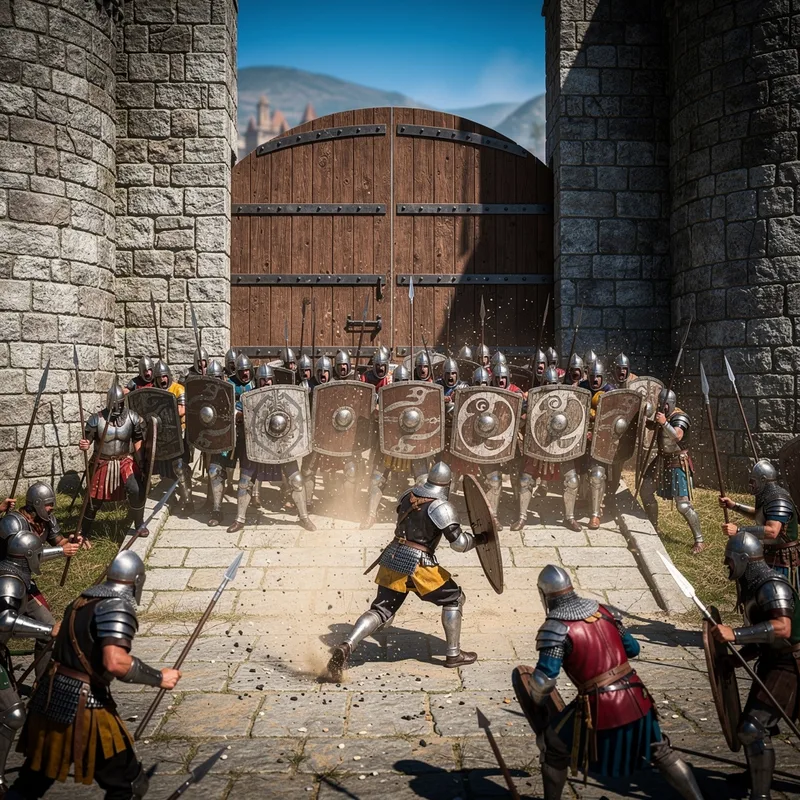
Meanwhile, Israel could rely on her soldiers, as she had amply illustrated, to rebuff all intruders.
Fiction book (1993) -
The government still needs to negotiate billions in privately held debt, and initial offers have been strongly rebuffed.
Academic text (2004) -
But it was a majority of the Senate that rebuffed Bork, not the ABA.
Academic text (1998) -
The soldiers stood ready to rebuff any attack from the enemy forces.
Synonyms
 190
4.3
190
4.3
To respond by acting against something
 188
3.3
188
3.3
Resist an attack or criticism by responding
 97
3.9
97
3.9
Force a person or thing to move backward in body and feeling
 76
4.6
76
4.6
To turn attention away from a person or thing
 51
3.7
51
3.7
To keep away an attack, illness, or strong unwanted feeling
 34
3.9
34
3.9
Keep unwanted people or things away so they do not harm you
 21
4.2
21
4.2
Make someone or something move back and stay away, often by using force
 19
4.1
19
4.1
Force someone or something to move away from danger
 14
6.0
14
6.0
To force someone or something to move away
 10
4.9
10
4.9
Make people or things move backward by using strength and stop feelings by holding them back
 7
7.0
7
7.0
To make someone or something go away
How Forceful
42
4.0
 3
7.9
3
7.9
Surface Forms
Morphology
rebuff = buff (opaque) = re + buff
The literal sense comes from re- + 'buff' 'blow', but 'buff' is not a productive modern base, so the meaning is not readily recoverable for learners.
Etymology
The verb rebuff can also mean to drive an attack back, keeping the same idea of re- 'back' and buff 'a push or blow', so to rebuff an enemy is to force it away or repel it.