
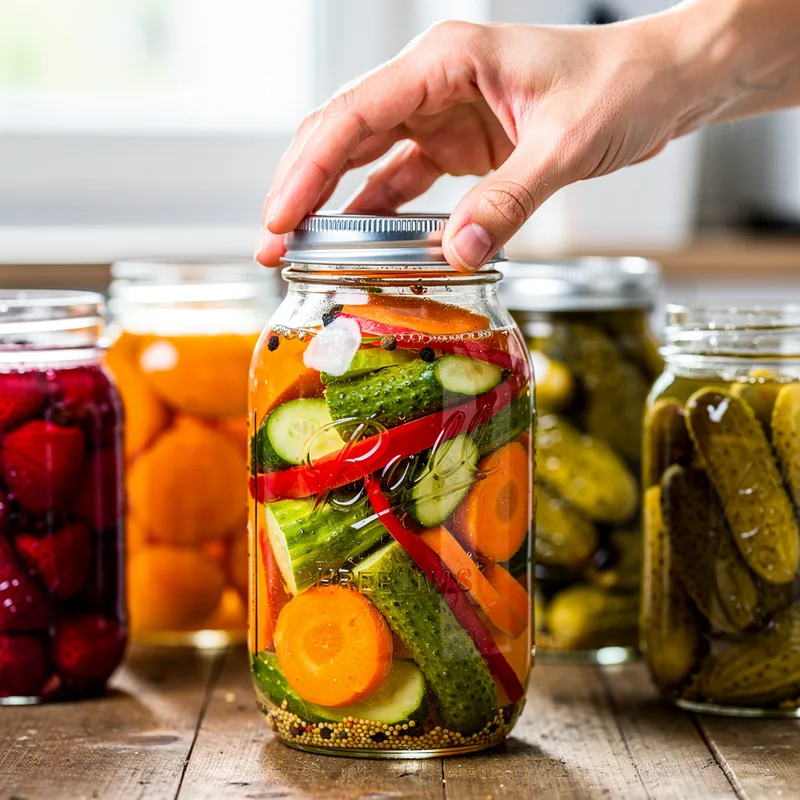
to preserve
 65
3.2
65
3.2

- verb
- /prɪˈzɜrv/
- The innumerable recipes testify to the longevity of the preserved cod trade with the North.
- preserved food
- preserved fish
Loading YouTube…
Watch on YouTubeAnd so, you know, people use other techniques for preserving food.
- And so, you know, people use other techniques for preserving food.
- Or we're going to need some vinegar if you want this this crop preserved in in glass jars for yourself.
- It's just one way that you can use the harvest from your garden, preserve it in a unique way.
Examples
-
The product is then chilled to 0 degrees Centigrade to preserve flavor, texture, aroma, and nutritional value.
Academic text (1994) -
Lastly, salt was included to preserve food, seasoned dishes, and serve medical purposes.
-
It's just one way that you can use the harvest from your garden, preserve it in a unique way.
-
- We cover it in ash to preserve it.
-
So they're going to preserve the goods first, if that makes sense.
-
- We've salt to preserve them.
-
Samples were collected in sampling bottles and placed in an icebox to preserve them for analysis.
Academic text (2015) -
You can preserve fruits by canning them with sugar and sealing them in jars.
-
To preserve the vegetables, we added vinegar and stored them in glass containers.
-
She uses salt to preserve fish, preventing it from spoiling for several months.
Synonyms
 254
1.0
254
1.0
To stay fresh and not spoil
 89
4.2
89
4.2
To put food into a sealed metal container so it lasts longer
 52
3.0
52
3.0
To keep food or medicine cold so it does not go bad
 26
4.6
26
4.6
Preserve food, for example by drying or salting
 7
5.5
7
5.5
To heat milk or juice to a certain temperature to kill harmful germs and make it last longer
 1
4.8
1
4.8
Remove almost all water from food to keep it for longer
 1
4.4
1
4.4
To keep food for a long time by freezing it and then removing its water

To put food into glass or clay containers to keep it for later
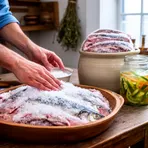
To preserve food by adding salt so it lasts longer
Antonyms

Phrasal Verbs

Compounds

A large park in Alaska with Mount Denali and animals like bears and moose

- Offensive
A large national park in Alaska with wild nature and old sites of Native people

A large national park in northern Alaska with very wild, remote land

A large park in southern Alaska with volcanoes, mountains, and many brown bears
How Preserved

Surface Forms
Etymology
Preserve for keeping food comes from the same Latin parts pre- ('before') and servare ('to keep'), meaning you treat food 'before' it spoils. That's why to preserve fruit or meat is to stop it from going bad so you can eat it later.