
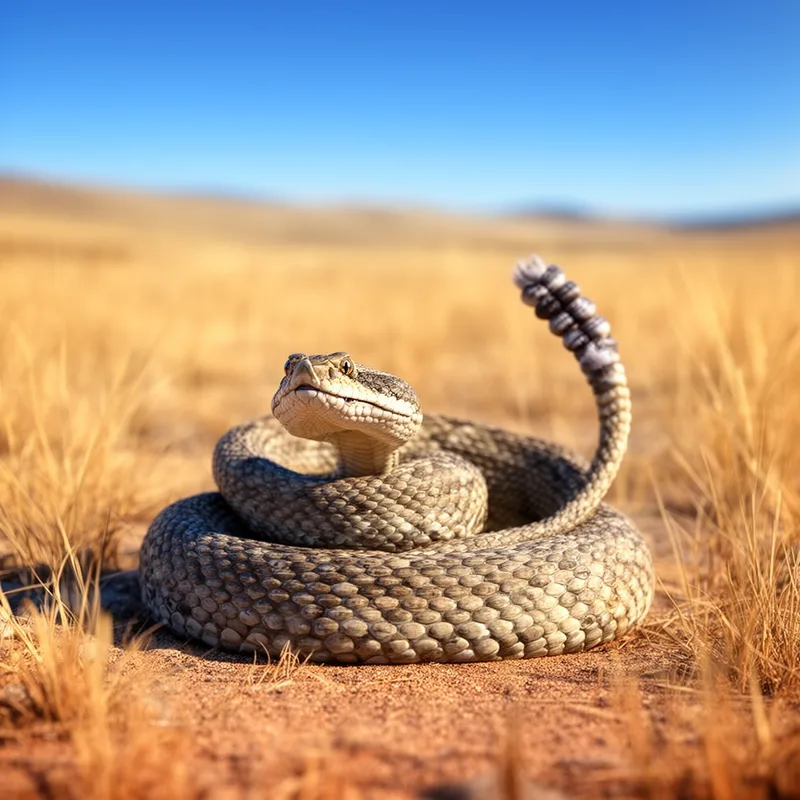
prairie rattler
- noun
- /ˈprɛəri ˈrætlər/
- US
- During the camping trip, we learned to identify the warning rattle of the prairie rattler.
Examples
-
He carefully avoided the prairie rattler that was basking in the sunlight on the path.
-
While hiking in the hills, I spotted a prairie rattler coiled among the rocks.
-
Snuffy was a steady beast who would step over a prairie rattler without so much as a shudder.
Fiction book (2002)
Synonyms
 42
4.1
42
4.1

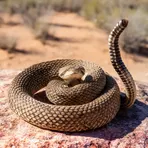
A dangerous snake from America with a rattle on its tail that warns others
 14
8.2
14
8.2
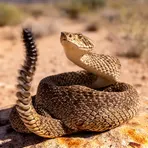
A snake that can bite with poison and has a tail that makes a rattling sound when shaken
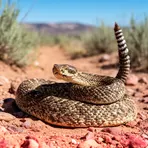
A venomous snake with a rattle on its tail that lives in western North America
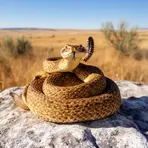
A venomous snake with a rattle that lives in dry grasslands in central North America
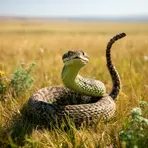
A venomous snake, the prairie rattlesnake, that lives in grasslands between the Mississippi River and the Rocky Mountains
How Dangerous

 1
4.6
1
4.6

- US
Surface Forms
Morphology
The compound is directly compositional: 'prairie' (grassland) + 'rattler' (a rattlesnake) yields a rattlesnake associated with prairie habitats. This habitat-based noun-noun combination is predictable and follows common English compounding patterns, so a B1 learner who knows both words would readily infer the meaning.
Etymology
The noun prairie rattler comes from a simple picture: prairie means wide grassland and rattler is the snake that shakes its tail to make a loud rattle. Because that rattle is a clear 'warning' and the snake has venom, the name now refers to a 'snake with venom' that lives in the prairies.