

Crotalus viridis
- noun
- /ˈkroʊtələs ˈvɪrɪdɪs/
- Specialized
- The Crotalus viridis is commonly found in grasslands and prairies across the central United States.
Examples
-
The Crotalus viridis is known for its distinctive rattle.
-
Researchers tagged several Crotalus viridis specimens to track their migration patterns.
-
Hikers should be cautious of the Crotalus viridis while exploring areas between the Mississippi and the Rockies.
-
Have you ever seen a Crotalus viridis in the wild?
-
Hikers should be cautious of the Crotalus viridis while exploring areas between the Mississippi and the Rockies.
-
The Crotalus viridis is commonly found in grasslands and prairies across the central United States.
-
Researchers tagged several Crotalus viridis specimens to track their migration patterns.
Synonyms
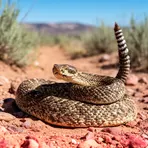
A venomous snake with a rattle on its tail that lives in western North America
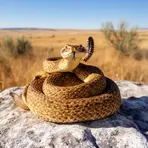
A venomous snake with a rattle that lives in dry grasslands in central North America
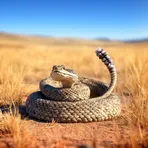
A venomous rattlesnake that lives in grasslands of central North America
Surface Forms
Morphology
Crotalus + viridis
This is a scientific binomial in Latin, a specialist taxonomic label rather than a compositional everyday phrase. Even though 'Crotalus' signals a rattlesnake genus, the second element 'viridis' is a Latin species epithet (not given here) and B1 learners will not be able to derive the specific meaning 'prairie rattlesnake' from the parts, so the expression is not transparently understandable.
Etymology
Crotalus viridis — the name comes from old words: Crotalus means 'rattle' and viridis means 'green'. Because this prairie snake often has greenish skin and makes a noisy tail 'rattle', the name fits the 'prairie rattlesnake' we mean today.

