
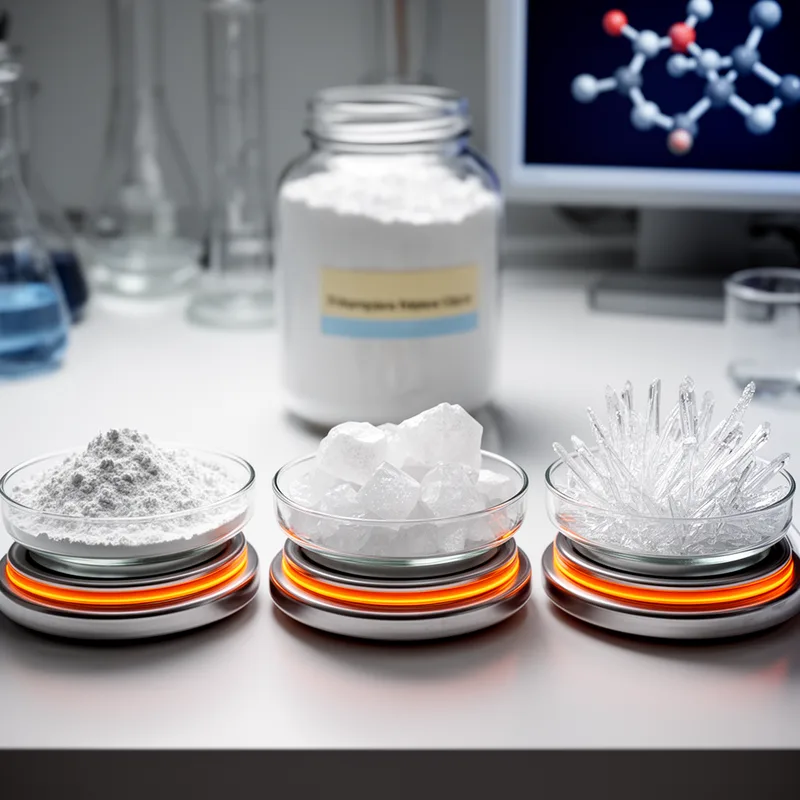
polymorphy
- noun
- /ˌpɒlɪˈmɔːrfi/
- Specialized
- Understanding polymorphy is important in designing stable pharmaceutical products.
Examples
-
Many substances show polymorphy under different temperature conditions.
-
Researchers discovered that polymorphy in minerals leads to different crystal structures.
-
The polymorphy of a compound can influence its melting point and solubility.
-
The mineral exhibits polymorphy in its crystalline structure.
-
The polymorphy of a compound can influence its melting point and solubility.
-
Researchers discovered that polymorphy in minerals leads to different crystal structures.
-
Understanding polymorphy is important in designing stable pharmaceutical products.
Synonyms

When a substance makes different crystal shapes under different conditions
A chemical substance that can form different crystal shapes

A substance that forms two different kinds of crystals

A case when an element exists in two or more different physical forms

A chemical element that exists in two or more different forms with different arrangements and properties
How Variable
- Specialized

- Specialized
- Specialized
 77
3.3
77
3.3

Surface Forms
Morphology
polymorphy = polymorph (semi-transparent) = poly + morph + y
The components point to 'many forms', but the chemical term is a technical specialization of that general idea.
Etymology
Polymorphy comes from Greek parts poly 'many' and morph 'shape', like in polygon and metamorphosis. In chemistry, polymorphy means a substance can take 'many shapes' as different crystal forms, and those shapes can change its physical properties.