
polymorph
 1
9.4
1
9.4

- noun
- /ˈpɒliˌmɔrf/
- Specialized
- The Food and Drug Administration requires all companies to register the precise polymorph of any drug that they produce.
Examples
-
The organic compound dubbed ROY can adopt six different crystal structures, or polymorphs, ranging from yellow needles to orange-red plates.
-
Modeling easier, the system of six polymorphs and liquid chocolate was simplified to model only three materials: stable solids, unstable solids, and melt.
Academic text (2011) -
As part of the lab workup, we routinely got x-ray powder data in the search for polymorphs.
Blog text (22) -
The aspirate contained sheets of polymorphs with thick, broad, thin-walled aseptate hyphae (figure 2).
Academic text (2008) -
Lumbar puncture was performed; analysis of cerebrospinal fluid (CSF) showed polymorph pleocytosis, elevated protein levels, and low glucose levels (Table).
Academic text (2015) -
These polymorphs (traditionally numbered using Roman numerals I-VI) have different crystal structures and melting points between 14 and 32 °C (57-90 °F).
Academic text (2011) -
Two different polymorphs of the sugar mannitol were detected with a spectral imaging technique.
Synonyms
 10
8.8
10
8.8
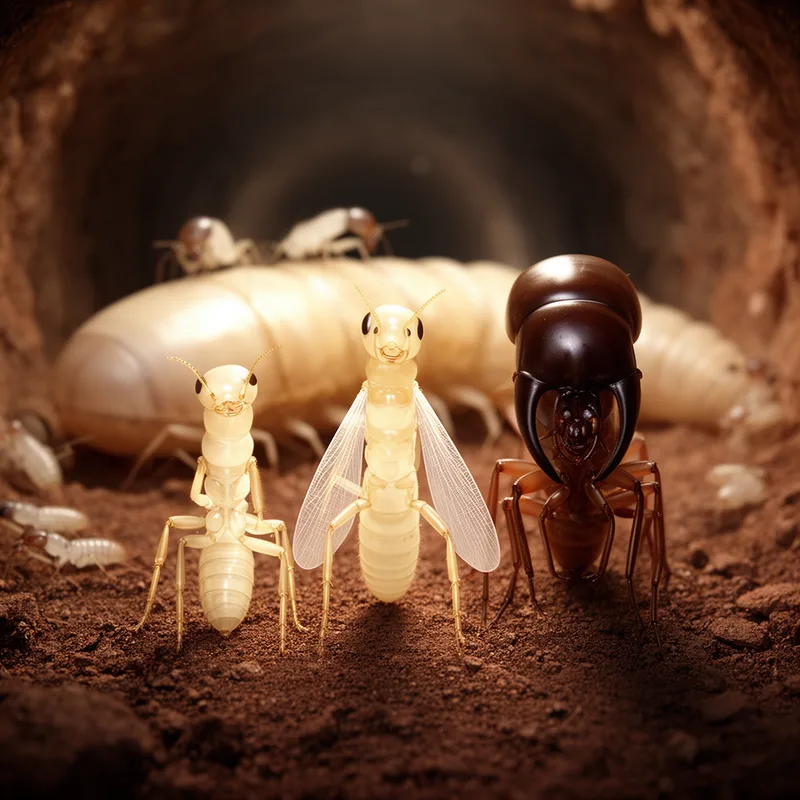
A being that can change its body into other people or animals

A form of a substance that has a different crystal structure
How Variable

Surface Forms
Morphology
polymorph = morph (semi-transparent) = poly + morph
The word is built from the combining form 'poly-' meaning 'many' and 'morph' meaning 'form', but the scientific usage may still be unfamiliar to many learners.
Etymology
The word polymorph comes from the Greek parts poly- meaning 'many' and -morph meaning 'form', the same pieces you see in polygon and metamorphosis. So, a polymorph is something that has 'many forms' or can change its shape.