
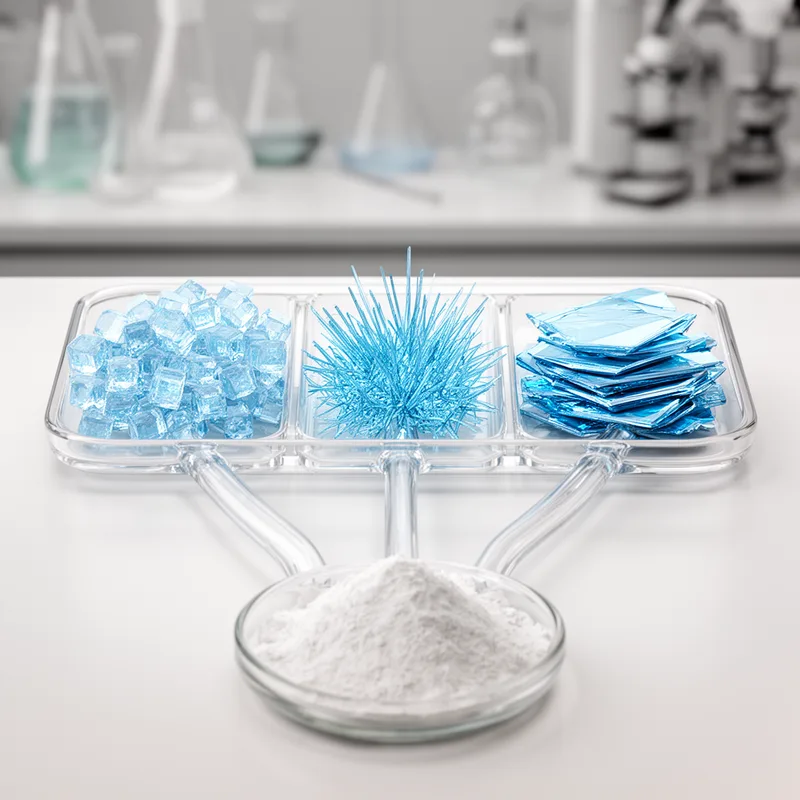
polymorphous
- adjective
- /ˌpɒlɪˈmɔːrfəs/
- Specialized
- Researchers discovered that the compound could undergo polymorphous crystallization under varying conditions.
Examples
-
Some compounds are polymorphous and can form different crystal structures.
-
The mineral's polymorphous structure results in different physical properties.
-
A polymorphous material may have different melting points depending on its form.
-
The mineral is known to be polymorphous in nature.
-
A polymorphous material can crystallize into various shapes that exhibit unique properties.
-
The researchers noted that the drug had polymorphous characteristics, allowing it to form different crystal configurations.
-
Some minerals are classified as polymorphous because they can crystallize in multiple distinct forms.
Synonyms

 1
8.9
1
8.9

Having many different forms, like minerals or animals with different looks

An element that exists in two or more forms with different properties in the same state
How Variable
- Specialized

- Specialized
- Specialized
140
4.2
- Specialized
Surface Forms
Morphology
Etymology
Polymorphous comes from the Greek parts poly- 'many' and morph 'form' or 'shape'. So a polymorphous material is one that can form in 'many shapes' of crystal, which is why the same substance can have different melting points in different forms.