
polymorphic
 1
8.9
1
8.9

- adjective
- /ˌpɒlɪˈmɔrfɪk/
- Specialized
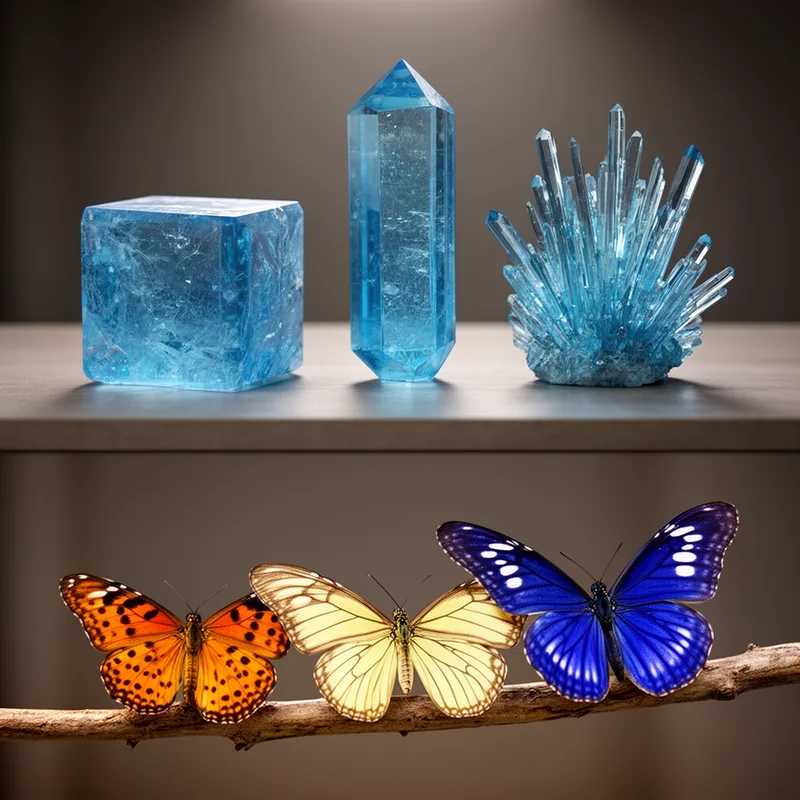
- Some minerals are polymorphic, existing in distinct physical forms depending on the temperature and pressure.
- polymorphic loci
- polymorphic primer
- polymorphic bands
Examples
-
Recent studies have suggested that telomeric/subtelomeric regions are highly polymorphic and might encode putative virulence factors (33, 34).
Academic text (2013) -
An isozyme that has two or more allozymes at a frequency greater than 5% is said to be polymorphic.
Academic text (2002) -
My body was made to be just one body: protean and polymorphic, but unified.
Fiction book (2002) -
Thus far, the gp60 gene is the most polymorphic marker identified in the Cryptosporidium genome.
Academic text (2013) -
Among 63 markers tested, five more polymorphic ones were identified, which were used in genotyping the 150 RILs.
Academic text (2018) -
Most soluble globular proteins, or appropriate variants, can be crystallized, and commonly the crystals are polymorphic, depending on crystallization conditions.
Academic text (1995) -
Histologically, these tumors are characterized by a polymorphic infiltrate that contains variable amounts of malignant cells and widespread areas of tumor necrosis.
Academic text (2006) -
The species is known for its polymorphic characteristics, appearing in multiple color variations that confuse predators.
-
In chemistry, the compound can be polymorphic, forming different crystal structures under various conditions.
Synonyms
 54
3.3
54
3.3
Containing many different kinds, not all the same


 1
9.2
1
9.2
Having many different forms or shapes

A species that has several different types

When a small part of a word has different forms to fit sound or grammar
How Variable

Surface Forms
Morphology
Etymology
The word polymorphic comes from Greek parts poly- meaning 'many' and morph meaning 'form' or 'shape', the same poly- you see in polygon. So a polymorphic mineral, animal, or object is one that appears in 'many forms' under different conditions.