
polymorphy
- noun
- /ˌpɒlɪˈmɔrfi/
- Specialized
- The polymorphy of the species allows it to adapt to various environments.
Examples
-
Many plants exhibit polymorphy based on their surroundings.
-
In some plants, polymorphy results in flowers of various shapes and colors within the same species.
-
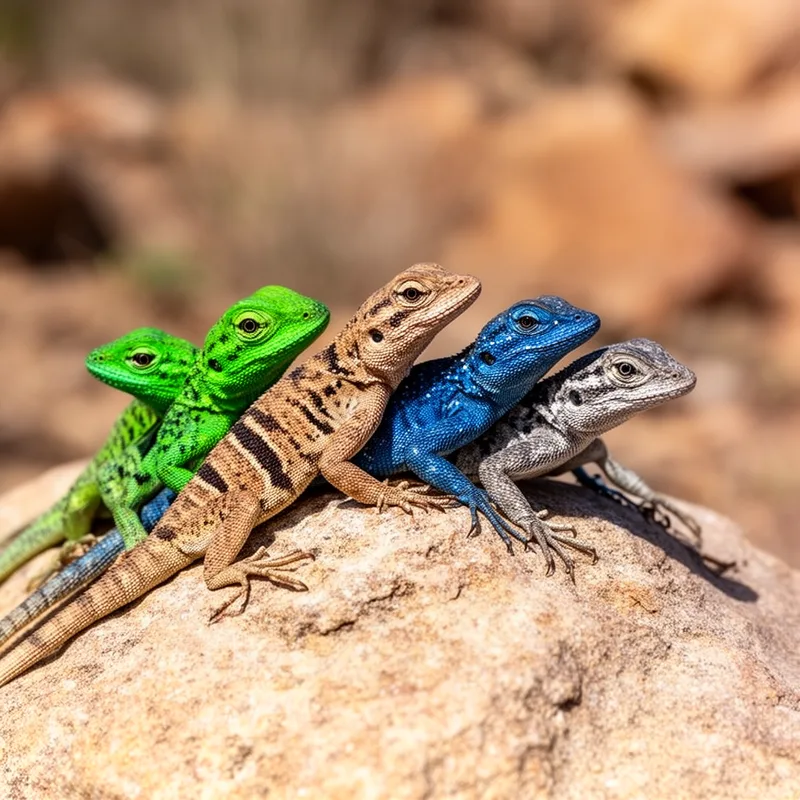
The lizard population exhibits polymorphy, with individuals showing different color patterns.
-
Scientists study polymorphy to understand how species adapt to changing environments.
-
The lizard population exhibits polymorphy, with individuals showing different color patterns.
-
In some plants, polymorphy results in flowers of various shapes and colors within the same species.
-
Scientists study polymorphy to understand how species adapt to changing environments.
Synonyms

 582
1.3
582
1.3

A group of different kinds of things
 77
3.3
77
3.3
A different form of something, like a design or recipe
 6
9.6
6
9.6
When members of a group of living things have different forms because of differences in their genes
 5
8.4
5
8.4
The presence of different kinds of things or people in a group
 1
8.4
1
8.4
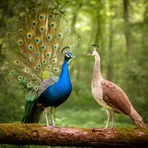
Males and females of the same species that look different

A situation where something has many different forms or types
How Variable

Surface Forms
Morphology
polymorphy = polymorph (semi-transparent) = poly + morph + y
The structure is clear as poly- + morph + -y, but the biological sense is a specialized extension rather than an everyday meaning.
Etymology
Polymorphy comes from Greek parts poly 'many' and morph 'shape', the same pieces you see in polygon ('many sides') and metamorphosis ('change shape'). So in biology, polymorphy means a species has 'many forms' or body types within the same group.