
dimorphism
- noun
- /daɪˈmɔrfɪzəm/
- Specialized
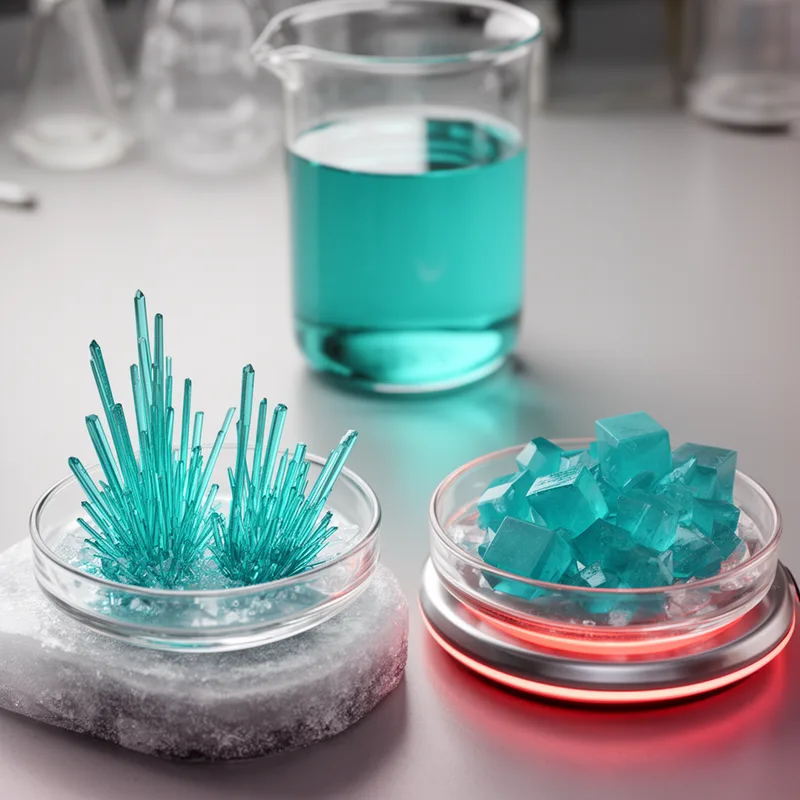
- Researchers noted that the synthesis of the compound resulted in dimorphism, presenting in both a cubic and an orthorhombic form.
Examples
-
In chemistry, the mineral exhibits dimorphism by forming two unique crystal structures under different conditions.
-
The concept of dimorphism is crucial for understanding how certain chemicals behave in diverse environments.
-
For instance, quantitative traits of the mandible first developed on an African population (Dart Collection) 51, were found to perform poorly when tested on other populations 52, 53 or to lack dimorphism 54.
Academic text (2017) -
The practical implications of ignoring inter-trait variation in patterns of dimorphism would most basically include introducing an additional source of uncontrolled variation that may impact discriminant function success and lead to error in evaluating the suitability of one trait over another.
Academic text (2017)
Antonyms


Surface Forms
Morphology
dimorphism = dimorph (semi-transparent) = di + morph + ism
The suffix '-ism' transparently indicates a state or condition, but 'dimorph' is not a common standalone word, making the derivation less obvious.
Etymology
Dimorphism comes from the Greek parts di- 'two' and morph 'form' or 'shape'. In chemistry it means the same substance can take 'two shapes' of crystal, which explains why one compound can form two different crystals.