

phantom
- adjective
- /ˈfæntəm/
- In the dark, the shadows created a phantom figure that seemed to move but was merely an illusion.
Loading YouTube…
Watch on YouTubeI think it's because we have this phantom pain of the soul.
- I think it's because we have this phantom pain of the soul.
- I loved the details about map making, the whole idea of like phantom towns and stuff like that.
- And they would feel immediate relief from the phantom pain.
- In other words, the visual perception can reverse some of these phantom sensations in many ways.
- I've never heard the word Sturbridge with so much phantom Sturbridge.
- It was like this figment or something phantom.
Examples
-
She often daydreamed about a phantom friend who only existed in her imagination.
-
And we're talking about would I let this phantom of my own mind go?
-
This tricks the brain into seeing the phantom rather than just feeling it.
-
All right, we have brought in some huge speakers so that you can experience the phantom words illusion again.
-
The painting depicted a phantom ship sailing across a misty sea, evoking a sense of mystery.
Synonyms
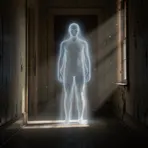
 929
3.0
929
3.0

The spirit of a dead person that people can see or feel
 140
7.5
140
7.5
A false experience in which you see or hear something not there
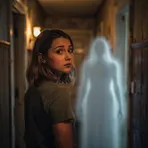 116
9.9
116
9.9
A spirit or ghost that people feel is nearby
 4
9.9
4
9.9
A thing that seems real but is only in the mind, like a ghost


 1
9.9
1
9.9
A ghost-like figure that seems real but is not
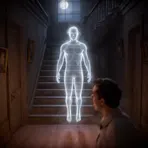 1
9.5
1
9.5
A spirit without a body that appears to people or stays near places

An imagined figure like a ghost that appears in stories

A creature that people imagine and that is not real
Antonyms


Compounds


- Specialized
1
7.2
An uncomfortable feeling that seems to come from a missing arm or leg


A pale white plant with almost no leaves that gets food from fungi in shaded forests
How Unreal

Surface Forms
Etymology
Phantom as an adjective comes from the same root phan- meaning 'to appear'. So we call something 'phantom' when it seems real but exists only in the mind or as an illusion, for example a 'phantom' pain felt in a missing limb.