

imaginary being
- noun
- /ɪˈmædʒɪˌnɛri ˈbiːɪŋ/
- Literature
- Children often create an imaginary being to play with when they're alone.
Examples
-
But then, that is expected of those of limited intellect who believe in imaginary beings.
Blog text (29) -
Pilty, you have never proven your god, just alluded to that imaginary being.
Blog text (8) -
In the story, the hero battled an imaginary being that haunted his dreams.
-
The novel features an imaginary being that represents the protagonist's fears.
Synonyms

 4
5.9
4
5.9

An imaginary being like a dragon or unicorn with magical powers
 1
6.5
1
6.5
A made-up creature from old stories or folk tales
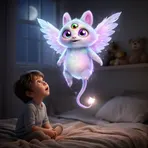
A made-up being that exists only in stories or imagination

Exists only in the mind and is not really there
How Real

Surface Forms
Morphology
The phrase is a regular adjective + noun combination where 'imaginary' (not real) modifies 'being' (an entity), so the combined meaning — a creature that exists only in the imagination — is directly inferable from the parts. This compositional pattern is common across languages and follows standard English semantics, making it immediately understandable to a B1 learner who knows both words.
Etymology
Imaginary being comes from putting imaginary (something made in your mind) together with being (a creature or person). It paints the picture of a creature that 'exists only in your imagination', so the phrase means 'a creature only in the imagination'.