

fictional animal
- noun
- /ˈfɪkʃənl ˈænɪməl/
- Dragons are popular fictional animals in many cultures.
Examples
-
The story features a fictional animal that can talk and fly.
-
Children often draw pictures of their favorite fictional animals from books and movies.
-
The unicorn is a well-known fictional animal found in many fairy tales.
-
A unicorn is a fictional animal that symbolizes purity.
-
In mythology, the unicorn is a fictional animal often depicted with a single horn on its forehead.
-
The griffin, a fictional animal with the body of a lion and the head of an eagle, appears in many ancient legends.
-
Children love reading stories about fictional animals like dragons and mermaids that spark their imagination.
Synonyms

 4
5.9
4
5.9

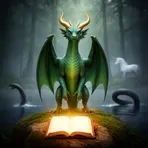
An imaginary being like a dragon or unicorn with magical powers
 1
7.0
1
7.0
A made-up animal or being from old stories that people often say is real


 1
8.1
1
8.1
A frightening creature from stories or legends that is not real
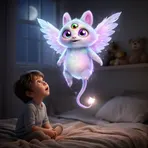
A made-up being that exists only in stories or imagination

A creature that people imagine and that is not real
How Real

Surface Forms
Morphology
The meaning of 'fictional animal' follows directly from combining 'fictional' (not real, created for stories) with 'animal' (a living creature), yielding an animal that exists only in fiction. This adjective + noun compositional pattern is common and cross-linguistically regular, so a B1 learner who knows both words will readily infer the phrase's meaning.
Etymology
Fictional animal comes from the simple picture of a creature made in stories and imagination: fictional means 'made-up' and animal means a creature. That's why the phrase means 'an animal that is not real'.