

phantasma


 1
9.9
1
9.9
- noun
- /fænˈtæzmə/
- Literature
- The film's eerie atmosphere created an unsettling phantasma that left the audience questioning what was real.
Examples
-
Phantasia refers to a simple memory image generated by the mind's internal vision, whereas phantasma designates the product of the mind's activity in arranging and rearranging into a coherent whole the disparate images stored in memory.
Academic text (2007) -
The multiple portraits of Christ produced in time are simply a matter of human conjecture; the depiction of the incarnate face is no more than a phantasma.
Academic text (2007) -
A new god, then, is either one or the other of two things: a stone or a phantasma.
Academic text (2007) -
The old mansion was said to be haunted by a phantasma that appeared to visitors late at night.
-
At last, she realized that her fears were just a phantasma of her imagination, not real threats.
Synonyms
 140
7.5
140
7.5
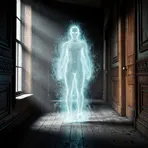
A false experience in which you see or hear something not there
 81
6.7
81
6.7
A ghost or spirit that people think they see
 56
8.6
56
8.6
A ghost that people say appears and frightens them at night
 52
4.2
52
4.2
A magic trick that makes something look impossible
 19
8.9
19
8.9
A ghost that people see suddenly
 4
9.9
4
9.9
A thing that seems real but is only in the mind, like a ghost
 1
7.9
1
7.9
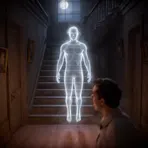
Seeing things that are not really there because the brain sends wrong signals
 1
9.5
1
9.5
A spirit without a body that appears to people or stays near places
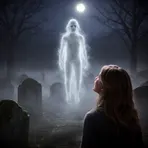
A ghost that appears to people

A vivid image or sound that feels real but you know is not real
Antonyms


How Real
929
3.0

- Literature
19
8.9
- Literature
1
9.9
319
4.6
33
6.4
Surface Forms
Etymology
Phantasma comes from an old Greek word that means 'image' or 'appearance', and you can see the same root in the English words phantom and fantasy; so a phantasma is a ghostly image or something that feels unreal.