

performativity
- noun
- /pərˌfɔːrməˈtɪvɪti/
- Literature
- Many advertisements rely on performativity to create an illusion of lifestyle rather than delivering real benefits.
Examples
-
In art, performativity can convey strong messages through superficial displays rather than substantial content.
-
Although literary criticism has begun to assimilate the implications and possibilities of practice theory and of Judith Butler's theory of performativity, by and large we too have imagined culture as text-like.
Academic text (1999) -
The degree of performativity reached by videos, or, in other words, the credibility and resonance of the statements and claims they express, depends greatly on their context (speaker, setting, and timing) and coherence (Virno, 2005).
Academic text (2017) -
The speaker's claim about social change was more about performativity than genuine action.
Synonyms

 72
5.1
72
5.1

A way of showing yourself that hides problems to make others think well of you
 34
7.0
34
7.0
Behaving to impress people instead of being honest
 22
7.0
22
7.0
A way of behaving that is not genuine to impress others
 21
4.8
21
4.8
Dramatic behavior done to get attention
 11
8.6
11
8.6
A fake way of speaking or behaving to impress others
 6
7.7
6
7.7
A showy, exaggerated way of behaving like in a play
 1
6.5
1
6.5
An exaggerated way of acting on purpose to impress others or hide feelings

Acting in a fake or showy way to impress other people

A way of behaving that is dramatic and exaggerated to attract attention

To make something more dramatic and like a stage show
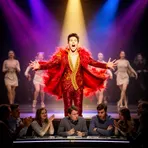
A performance that tries to get attention by being loud or dramatic
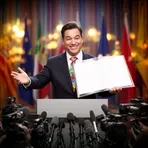
Showy in a way that does not seem honest

A quality of feeling unreal and too much like acting in a play

A way of acting or speaking that does not feel sincere
Antonyms

How Sincere
71
3.1
 71
4.8
3
6.4
71
4.8
3
6.4
- Literature
4
5.6
Surface Forms
Morphology
performativity = performative (transparent) = perform + ative + ity
Derived by adding '-ity' to 'performative'; the sense 'quality of seeming like a performance or intended to create an impression' follows directly from 'perform'/'performative' and is accessible to learners.
Etymology
Performativity also comes from perform ('to do' or 'act') and performance ('a show'), so it can mean doing something mainly as a show to make an impression rather than to create real change.