
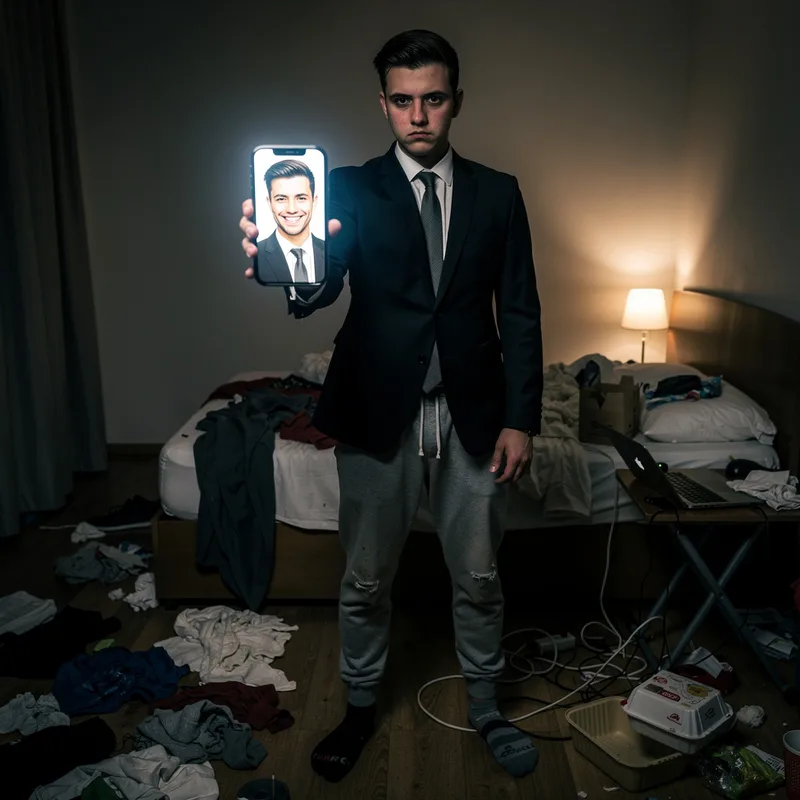
pose
 22
7.0
22
7.0

- noun
- /poʊz/
- His insincere smile was just a pose to impress the guests at the party.
- assume an authoritative pose
Loading YouTube…
Watch on YouTubeThere is not a moment, which is kind of a pose.
- There is not a moment, which is kind of a pose.
Examples
-
President Lincoln, for instance, while striking a statesmanlike pose, worked behind the scenes to ensure his reelection.
Academic text (1997) -
Perig sat on the floor, arms clasped around his knees, in a pose of patient endurance.
Fiction book (1999) -
Far from being a pose, for him it was a matter of life and death.
Academic text (1999) -
It's an open pose, which signifies despair, wonder and grief.
-
But by virtue of all those different poses, they're meant to open up your chest, right?
-
Becky stared hard at the shoe and then at the rigid pose of the store mannequin.
Fiction book (1992) -
To me, it was a swirl of prominent people striking poses, gushing and congratulatory.
Fiction book (1999) -
On one side, the woman's submissive and seductive pose is a sign of heterosexual desire.
Fiction book (1994) -
She adopted a serious pose to make her argument more convincing during the debate.
-
The politician's confident pose during the interview felt rehearsed and artificial.
Synonyms
 829
5.3
829
5.3
An act to impress others that hides true feelings
 72
5.1
72
5.1
A way of showing yourself that hides problems to make others think well of you
 34
7.0
34
7.0
Behaving to impress people instead of being honest
 11
8.6
11
8.6
A fake way of speaking or behaving to impress others
 8
6.8
8
6.8
A false appearance that hides someone's true feelings or plans
 4
7.5
4
7.5
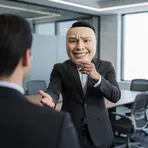
A false act or story that tries to trick people, often to make them laugh
 3
9.9
3
9.9
Hiding your true feelings or intentions by pretending
 1
6.5
1
6.5
An exaggerated way of acting on purpose to impress others or hide feelings
 1
7.9
1
7.9
A way of behaving that tries to show you are better than other people
 1
7.4
1
7.4
Pretending to have an illness or feeling to trick others

Acting in a fake or showy way to impress other people

Actions that seem important but do not make real change
Antonyms


How Affected

Surface Forms
Etymology
Pose comes from the old French poser and the Latin ponere, meaning 'to put' or 'place'. Think of a person 'putting on' an attitude to impress others, which is why a pose can mean an affected, not genuine way of behaving.