

theatricalism
- noun
- /θiˈætrɪkəlɪzəm/
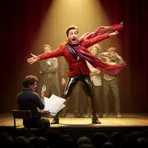
- His speech was full of theatricalism, with sweeping gestures and dramatic pauses.
Examples
-
Her theatricalism during the presentation was distracting.
-
She used theatricalism to make her story more entertaining for the audience.
-
The director criticized the actor's theatricalism for being too over the top for the scene.
-
Many people find his theatricalism to be overly dramatic.
-
His presentation was filled with theatricalism, using exaggerated expressions and dramatic storytelling to engage the audience.
-
The politician's theatricalism was apparent in his grand gestures and passionate rhetoric during the debate.
-
She often resorts to theatricalism in her conversations, speaking in a loud voice and making wild gestures to captivate her friends.
Synonyms

 21
4.8
21
4.8

Dramatic behavior done to get attention
 6
9.1
6
9.1
Very dramatic behavior that tries to get attention
 6
7.7
6
7.7
A showy, exaggerated way of behaving like in a play
 2
8.1
2
8.1
Doing dramatic things to get attention or praise
 1
6.5
1
6.5
An exaggerated way of acting on purpose to impress others or hide feelings
 1
5.1
1
5.1
Acting with too much emotion so it does not seem real


 1
7.9
1
7.9
A style that is exaggerated and showy to be funny or to make fun
 1
9.9
1
9.9
A loud, showy kind of acting that looks fake and draws attention

Loud exaggerated actions meant to get attention or make people laugh

A quality of feeling unreal and too much like acting in a play

Acting in an exaggerated, showy way that feels loud and not natural

A style that uses exaggerated emotions and actions in plays or films
Antonyms


How Theatrical

Surface Forms
Morphology
theatricalism = theatrical (transparent) = theatr + ical + ism
Derived from 'theatrical' + '-ism' to indicate the use or practice of theatrical behaviour, a straightforward noun formation.
Etymology
Theatricalism comes from theatre and the idea of an actor putting on a show, with theatron meaning 'a place for watching'. It means using dramatic, exaggerated behavior to get attention, so theatricalism is like turning life into a performance.