

percussive instrument
- noun
- /pərˈkʌsɪv ˈɪnstrʊmənt/
- I repurposed this old piano board into a percussive instrument and played it like a harp by using the strings on the top part.
Examples
-
During the music class, we learned how to use a percussive instrument like the tambourine to keep time.
-
The drummer played a percussive instrument that resonated beautifully with the other musicians.
-
In the orchestra, the percussive instrument section added vibrant rhythms that enhanced the overall sound.
Synonyms

 248
1.0
248
1.0

A hollow metal object that makes a ringing sound when struck
 184
1.9
184
1.9
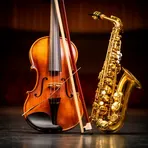
An object like a piano or violin that makes musical sounds
 21
2.3
21
2.3
A thing like a piano or guitar that you play to make music
 3
3.3
3
3.3
A thing you hit, shake, or scrape to make sound in music


 1
9.9
1
9.9
A musical instrument, like a bell or cymbal, that makes sound by vibrating its own body
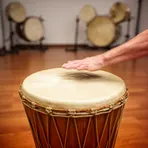
A musical instrument like a drum that makes sound when you hit a stretched skin
How Loud
- Specialized
5
3.0
 30
3.2
3
3.5
21
3.4
7
5.3
7
2.1
30
3.2
3
3.5
21
3.4
7
5.3
7
2.1
Surface Forms
Morphology
The phrase 'percussive instrument' is a straightforward adjective + noun composition: if a learner knows 'percussive' (relating to percussion sounds) and 'instrument' (a device producing musical sounds), they can readily infer it means an instrument that is struck, shaken, or scraped. This composition follows common cross-linguistic adjective-noun modification patterns and is fully compositional, so it should be immediately understandable to a B1 learner who knows the constituents.
Etymology
Percussive instrument comes from percussive meaning 'to hit' and instrument meaning a musical tool. Think of hitting a drum or shaking a tambourine: the sound is made by hitting, shaking, or scraping the instrument, so percussive instrument means an instrument you play by hitting or shaking.