
parietal
 1
9.0
1
9.0

- adjective
- /pəˈraɪətl/
- Specialized
- The perception of these two stimulus attributes appears to depend on the integrity of the inferior temporal and the parietal cortex, respectively.
Examples
-
In the frontal lobe, most studies found parietal and frontal areas were related to their tests of intelligence or reasoning.
-
So and then the parietal lobe deals with senses and touch.
-
The parietal region of the brain processes sensory information from the body.
-
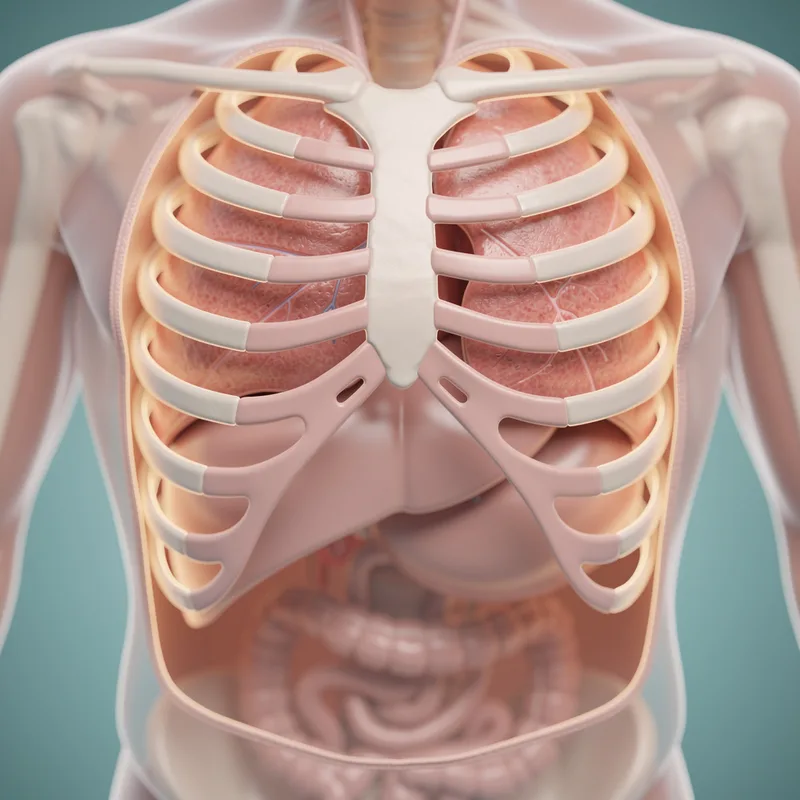
The parietal membrane surrounds the abdominal cavity, providing protection to the organs inside.
-
In medical imaging, the parietal area is often examined for abnormalities or injuries.
Compounds
- Specialized
6
7.0
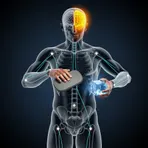
A part of the brain that helps you feel touch and temperature and know where your body is
- Specialized
2
7.4
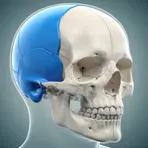
One of two bones on the top and side of the skull between the front and back bones

- Specialized
A part of the brain near the top that processes touch and tells you where things are

- Specialized
A raised fold on the parietal lobe of the brain that helps sense touch and space

- Specialized
A tough outer layer around the heart attached to the diaphragm and breastbone

- Specialized
Seeds grow on the inner wall of a flower's ovary, not on the central axis

- Specialized
A thin layer of tissue that lines the inside of the chest and covers the muscle under the lungs
Surface Forms
Morphology
parietal = pariet + al
This sense is historically related to 'wall', but the bound root 'pariet-' is not an accessible English base for most learners, so the medical meaning is not transparently recoverable.
Etymology
Parietal comes from the Latin root paries meaning 'wall', and it is used for the membranes or surfaces that form the 'walls' of a body cavity or organ.