
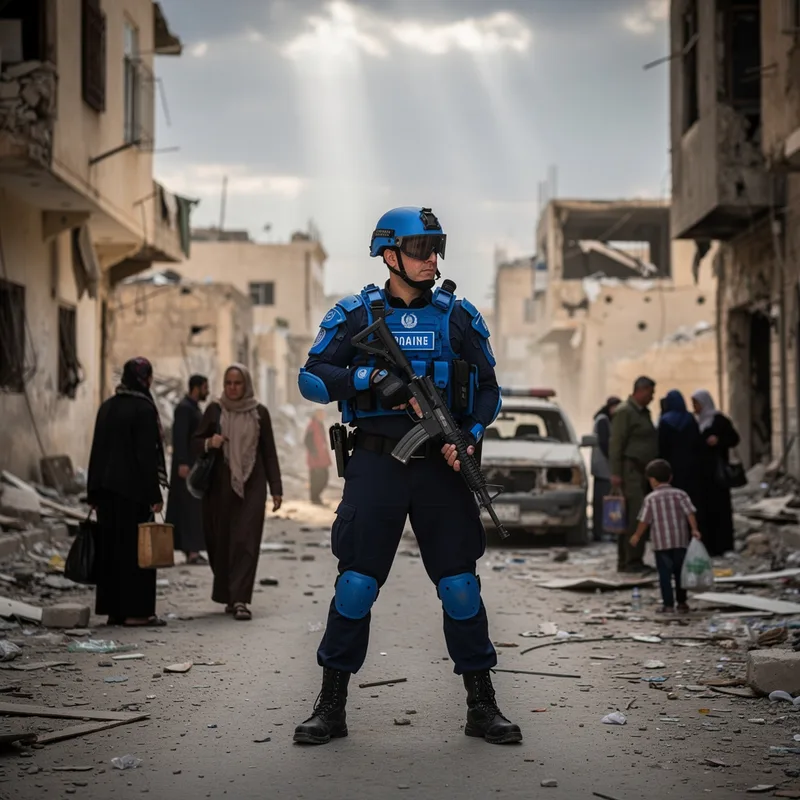
to pacify
 8
6.3
8
6.3

- verb
- /ˈpæsɪˌfaɪ/
- But the Bush administration's impetuous behavior and its inability to pacify Iraq have shattered local confidence in U.S. capabilities.
- attempt to pacify
- pacify the population
- pacify the region
Examples
-
American policymakers have tried to pacify the Caribbean through actions such as intervention in Haiti.
Academic text (2001) -
In the end, however, the operation didn't pacify the resistance.
Academic text (2006) -
My orders were to pacify the city.
-
Our task is to pacify the country.
-
It's those leaders who want to pacify the masses.
-
But before we can do that... we need to pacify the hostiles.
-
Certain combined measures worked to settle, suppress, and pacify the region during the colonial period.
Academic text (2011) -
Soon, Afghan and coalition forces had pacified the central Helmand River valley, which bisects the province.
Academic text (2011) -
The peacekeeping forces worked tirelessly to pacify the region after months of civil unrest.
-
In an attempt to pacify the protesters, the government offered to address their concerns in a public forum.
Synonyms
 962
1.0
962
1.0
Make a person or animal less upset
 89
3.4
89
3.4
To stop arguing and become friendly again
 48
5.8
48
5.8
To calm someone by giving in to their demands
 29
4.5
29
4.5
Make a tense or dangerous situation calmer
 28
7.0
28
7.0
To make someone less angry by saying or doing something kind
 20
7.7
20
7.7
To make a bad feeling, pain, or worry less strong
 15
3.9
15
3.9
To calm someone by being kind or friendly
 8
7.2
8
7.2
To make someone less angry or upset
 3
4.6
3
4.6
Make someone or something less noisy and calmer
 2
4.5
2
4.5
To make a situation less tense by calming people


 1
7.9
1
7.9
To stop people being angry and make them friendly again

To make a conflict or tense situation less dangerous and calmer

To make someone feel calmer or less angry
Antonyms


How Forceful
397
3.7
 37
5.5
8
6.3
197
5.0
32
5.1
37
5.5
8
6.3
197
5.0
32
5.1
- Formal
801
3.7
Surface Forms
Morphology
pacify = peace (semi-transparent) = pac + ify
The sense 'to bring peace to a place' is directly derivable from 'peace' + '-ify', but the Latinate form 'pac-' and the intervention/force nuance make the connection less immediately obvious.
Etymology
Pacify comes from the Latin root pax meaning 'peace' and the part -fy meaning 'to make', so it literally means 'to make peace'. That's why to pacify a place is to stop the fighting there and bring peace, even if that needs strong action.