

osteosclerosis
- noun
- /ˌɑːsti.oʊskləˈroʊsɪs/
- Specialized
- If left untreated, osteosclerosis can significantly weaken the bones and lead to fractures.
Examples
-
She was diagnosed with osteosclerosis after experiencing unexplained bone density increases.
-
In patients with osteosclerosis, the abnormal hardening of bone tissue can cause severe pain.
-
The committee judges that stage II, which is reached with lower levels of fluoride, is also an adverse health effect, as it is associated with chronic joint pain, arthritic symptoms, slight calcification of ligaments, and osteosclerosis of cancellous bones.
Blog text (7)
Synonyms
 27
8.3
27
8.3

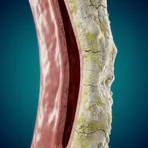
A change in body tissue that makes it harder or less flexible

 1
9.9
1
9.9
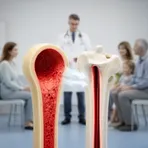
A rare disease passed from parents in which bones become too dense and can harm bone marrow
 1
9.9
1
9.9
An unusual thickening of bone that makes bones bigger
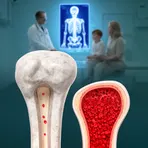
An inherited condition in which bones become very dense and hard, reducing the space inside bones for making blood cells
Antonyms
Compounds

- Specialized
A disorder from birth where bones become too hard, replacing cartilage and often causing very short height
How Dense
- Specialized

- Specialized
Surface Forms
Morphology
Etymology
Osteosclerosis comes from Greek parts osteo- meaning 'bone' and -sclerosis meaning 'hardening'. So it literally means 'bone hardening', which explains the modern medical sense of unusually hard or very dense bone tissue.