

old witchgrass
- noun
- /oʊld wɪtʃɡræs/
- US
- The invasion of old witchgrass in the cornfields reduced crop yields significantly.
Examples
-
Weeds like old witchgrass can be difficult to eradicate from cultivated soil.
-
Farmers often struggle to control the spread of old witchgrass on their land.
-
The old witchgrass spread quickly in the garden.
-
Farmers often struggle with old witchgrass in their fields.
-
Farmers often struggle to control the spread of old witchgrass on their land.
-
The invasion of old witchgrass in the cornfields reduced crop yields significantly.
-
Weeds like old witchgrass can be difficult to eradicate from cultivated soil.
Synonyms
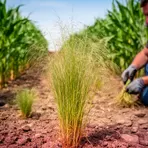
A North American grass with thin, brush-like flower heads that often grows as a weed

A North American grass with thin, brushy flower clusters that often grows as a weed in fields

A wild grass with thin brush-like seed heads that grows in fields
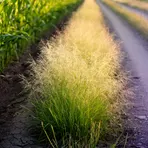
A wild grass that grows in fields and along roads and spreads quickly
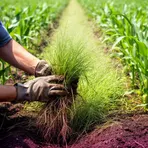
A grass that spreads quickly and grows where it is not wanted
Surface Forms
Morphology
This is a straightforward adjective+noun combination: 'old' modifies 'witchgrass', so the meaning—a witchgrass plant that is old or long-established—is directly derivable from the constituent meanings. The pattern follows standard adjective+noun compositional rules and is cross-linguistically common, so a B1 learner who knows both words would understand it.
Etymology
Old witchgrass may come from farmers' stories that the plant's brushy seed heads look like a witch's wild hair and that it appears quickly and is hard to pull out. So the words witch and grass give a picture of a stubborn 'weed' that causes problems in fields.

