
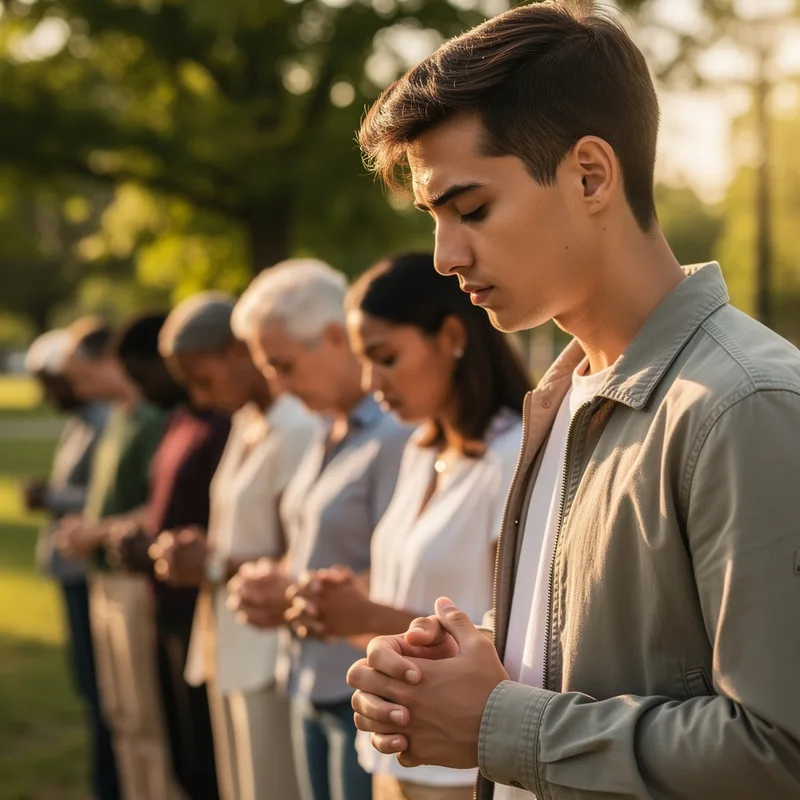
to observe
 79
3.4

- verb
- /əbˈzɜrv/
- It is your solemn duty to observe the proceedings without bias.
- observe the rules
- observe the law
- observe human rights
Loading YouTube…
Watch on YouTubeAnd so Christians no longer observed the same food laws.
- And so Christians no longer observed the same food laws.
- And now I'm observing the three strike rule.
- He says that it's not enough just to observe these rules.
- Native American Heritage Month is observed in November, so that was beautiful.
- Virtue is bound by those principles that it observes.
- He says both aspects of the law can be observed.
- You know, they, they observed the Sabbath and was like, why my boss tripping?
- And I have friends who are some of the best human beings I know who don't observe a particular faith or or religion.
Examples
-
No matter what the individual attitude is, one must observe the obligation once it has been established.
Academic text (1990) -
Since they mutually agreed to observe this rule, many poor men became rich.
-
I would ask you to observe the ground rules, which are identify yourself, make your question a question, a genuine question, not a speech.
-
I know in Japan they like to observe their workers to help them improve their efficiency.
-
And so Christians no longer observed the same food laws.
-
Even for those who live outside the law... it is commonly understood there are certain rules which must be observed.
-
We've got to observe his birthday.
-
While in the airport, please observe Florida laws... ... which prohibit smoking in the terminal.
-
Will you be able to observe the rule and the way of living it dictates... and take the three vows of obedience, poverty and chastity?
-
We will observe a holiday tomorrow to celebrate our national heritage.
Synonyms
 ∞
1.0
To act according to rules, advice, or beliefs
 ∞
1.4
To join fun events to mark a special day or achievement
 722
2.3
Show great respect to someone, often in public
 356
1.0
To do what you promised
 316
1.0
Do what someone in charge tells you or follow a rule
 245
3.8
Do what a rule or person asks
 151
3.4
To follow a rule or law
 98
4.7
Continue to follow and support a rule, belief, or person
 95
3.9
To follow rules or instructions
 87
3.5
To accept and follow a rule, decision, or agreement
 84
3.2
Think and act like other people or follow rules
 80
2.8
Do what a rule says
 78
1.8
To follow a rule or plan
 58
3.7
Do what rules or standards say you must
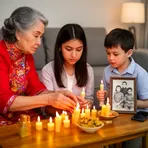 1
4.1
To keep and respect old ways in a family or community
Antonyms

Phrasal Verbs

To stay out of public and not show their face or body for modesty, usually by women
How Observant

Surface Forms
Morphology
Etymology
Observe in the sense of following a rule comes from Latin ob- + servare 'to keep', so to observe a law or custom is to 'keep' it. That's why to observe a rule means to do what it asks or to respect it.