

to observe
 619
2.4
619
2.4

- verb
- /əbˈzɜrv/
- In the classroom, students should observe the experiment carefully to understand the results.
- observed differences
- observed behavior
- observed effects
Loading YouTube…
Watch on YouTubeBut you can't directly observe the law itself.
- But you can't directly observe the law itself.
- What are they willing to watch, observe, read, listen to?
- Like let it flow through you, observe it, don't judge it.
- It can help to observe where this comes from.
- So I think, and, and you've probably observed this in me.
- We can't sort of just go and observe ancient Greece or whatever.
- That's why I try to just observe and disconnect from them.
- Sit down, take take a minute and just observe everything that's going on.
- So to know where we're standing with, observe your surroundings.
Examples
-
And while we were there, Foley observed the two suspects casing the establishment.
-
While visiting the zoo, we can observe the animals in their natural habitats.
-
We can test it and we can observe it in various ways.
-
As we get closer to the Earth, we can observe more detail.
-
Kids, a museum is a place where we observe.
-
And during those two years, what type of criminal activities did you observe?
-
All right, we can actually observe those fights in nature.
-
So we're just going to spend the morning observing.
-
Because in the interface, we can observe the learner.
-
The scientist took detailed notes as she observed the behavior of the birds in the aviary.
Synonyms
 ∞
1.0
∞
1.0
To notice something with your eyes
 ∞
1.0
∞
1.0
Study something carefully to understand it or decide
 ∞
1.0
∞
1.0
To look at something carefully for some time
 ∞
1.0
∞
1.0
To see or become aware of something
 ∞
1.3
∞
1.3
To look at something to check it or find information
 ∞
2.8
∞
2.8
To look carefully at something to find facts
 ∞
1.0
∞
1.0
To look at something carefully to understand it
 ∞
1.6
∞
1.6
To focus on someone or something and notice carefully
 868
2.5
868
2.5
To look at something carefully to find facts or problems
 763
3.2
763
3.2
Find something that is hard to notice
 670
2.4
670
2.4
To look at someone or something carefully to understand it
 653
3.0
653
3.0
To see or be present at an event as it happens
 627
3.5
627
3.5
To watch or check something over time
 573
2.8
573
2.8
Examine something carefully to find out more
 552
1.0
552
1.0
Turn your head and eyes to see what is around you
 412
1.3
412
1.3
To check something carefully, for example an essay or a machine
 408
2.4
408
2.4
To watch someone or something carefully to make sure nothing bad happens
 357
1.0
357
1.0
To look at something carefully
 318
1.8
318
1.8
To notice something carefully
 241
3.2
241
3.2
To look at someone or something carefully
 180
2.8
180
2.8
To read or check something carefully for mistakes
 153
1.6
153
1.6
Watch for danger or trouble
 134
3.2
134
3.2
Watch carefully for someone or something
 131
7.6
131
7.6
To see something impressive, like a beautiful view or event
 91
3.3
91
3.3
Notice something and pay attention to it
 83
3.7
83
3.7
To notice something with your senses, especially sight or hearing
 69
3.4
69
3.4
Pay attention to something to remember or think about it
 50
3.4
50
3.4
To watch events happen without taking part
 42
3.5
42
3.5
To see and pay attention to something
 32
7.0
32
7.0
To read something slowly and carefully to understand it
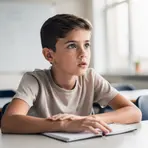 22
3.2
22
3.2
To listen or watch carefully
 8
3.0
8
3.0
Look at a person or thing very carefully for a while to notice problems
 1
6.4
1
6.4
To pay careful attention to what someone says or does
Antonyms

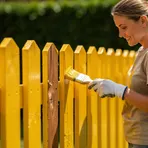
Phrasal Verbs

To stay out of public and not show their face or body for modesty, usually by women
How Closely

Surface Forms
Morphology
Etymology
Observe comes from the Latin parts ob- and servare, which together mean 'toward' and 'to keep' or 'watch'. Think of it as 'keep an eye on' something, which is why to observe is to watch carefully to learn or notice.