

naughtiness
 2
3.2
2
3.2

- noun
- /ˈnɔːtɪnəs/
- George had hardly spoken in the last two days, and she had found herself longing for a little of his naughtiness and mischief.
- a bit of naughtiness
- little naughtiness
Loading YouTube…
Watch on YouTubeDifferent subcategories of naughtiness is what I do OK next.
- Different subcategories of naughtiness is what I do OK next.
- He hated being junior all the time, which I get, and the naughtiness was encouraged by that.
- They no one cared, right, Because there was no element of naughtiness and seediness there, you know, But anyway, so how did I become a dad?
Examples
-
I want to play my role with a bit naughtiness...
-
There was an element in it of defiance, of naughtiness.
Fiction book (1990) -
He hated being junior all the time, which I get, and the naughtiness was encouraged by that.
-
They're running rampant with naughtiness.
-
She sounded like a child begging off some naughtiness because her sister had been forgiven for the same prank.
Fiction book (1994) -
The teacher smiled as the children giggled, knowing their naughtiness was all in good fun.
-
Her little brother's naughtiness often got him into trouble, but he always managed to charm his way out.
-
During the school play, the students' naughtiness added a playful energy to their performance.
Synonyms
 1
2.5
1
2.5
The quality of being naughty or misbehaving
 1
4.6
1
4.6
Playful actions that cause small harmless trouble for fun
 1
9.9
1
9.9
Playful behavior that children do when they are having fun


 1
8.1
1
8.1
Playful or dishonest behavior that tricks people
 1
7.3
1
7.3
Behavior that is rude and spoiled like a child who wants their own way
 1
5.8
1
5.8
A bold, slightly rude way of speaking or acting that is playful and shows little respect

A playful, teasing way of behaving that surprises people

Playful, slightly naughty actions that children do for fun

A playful habit of doing mischief or telling small lies that amuses people
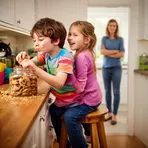
The act of behaving in a naughty, playful way
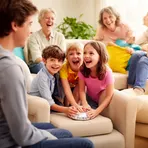
Small playful acts that do no real harm
Antonyms

How Naughty

Surface Forms
Morphology
Etymology
Naughtiness comes from the old word naught, which means 'nothing' and long ago could be used to say someone was 'not good' or unwanted. So naughtiness is the quality of being 'not good', often playful mischief or bad behaviour, especially in children.