

mischievous
 5
4.1
5
4.1

- adjective
- /ˈmɪs.tʃə.vəs/
- Despite advanced firewalling, there is a risk of mischievous hacking into our systems.
- downright mischievous
- bad and mischievous
- mischievous actions
Examples
-
Some emphasize his connection to sexuality as dangerous, and some as representative of his mischievous nature.
Academic text (1999) -
Bell's smile turned mischievous, like a boy relishing a chance to do wrong.
Fiction book (1998) -
I'm sure some of these are sound, and some of them are mischievous.
Academic text (2001) -
And don't let any mischievous grin, as my grandmother would have said, fool you.
Fiction book (1994) -
I don't think you'll find much argument here on the mischievous nature of our famously free press.
Blog text (5) -
The front door was ajar, and with the mischievous intent of startling her, he stepped in.
Fiction book (1990) -
Our Botswanian helper stayed in camp and stood guard against any mischievous marauders.
Academic text (1994) -
Certainly, they evoke the possibility of elemental entities hidden in the world, at least mischievous and even malevolent.
Blog text (7) -
But some of Sarkar's editorial antics are simply mischievous, if not symptomatic of someone gripped by attention deficit disorder.
Blog text (16) -
With a mischievous grin, the boy planned to hide his sister's favorite toy.
Synonyms
 699
2.2
699
2.2
Unkind and cruel toward other people
 222
5.2
222
5.2
Deliberately cruel and likely to hurt someone
 89
5.8
89
5.8
Wanting to hurt someone or damage their good name
 87
6.1
87
6.1
Giving a feeling that something bad will happen
 47
8.8
47
8.8
Very bad and illegal, done to harm people
 23
5.1
23
5.1
Wanting to hurt or upset someone on purpose
 22
8.0
22
8.0
Wanting to harm others
 19
7.4
19
7.4
Acting in a secret or suspicious way to do something wrong
 14
7.3
14
7.3
Very bad and cruel, often hurting other people
 1
3.9
1
3.9
Causing problems for others, often on purpose

Causing harm or wanting to harm others

Wanting to hurt or upset other people

Being cruel and speaking sharp words like a poisonous snake
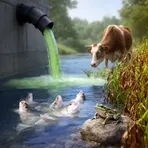
Causing harm to people, animals, or plants
Antonyms


How Mischievous

Surface Forms
Morphology
Etymology
Mischievous comes from the old word mischief, which meant 'bad luck' or harm, and the small part mis- means 'bad', like in mistake. So in the meaning 'intended to cause harm or trouble', mischievous is someone or something that does trouble on purpose.