

locomotive
- adjective
- /ˌloʊkəˈmoʊtɪv/
- Robert H. Cantwell, Jr., P.E., has excelled in locomotive brake design for more than 20 years.
Examples
-
He said humans are locomotive beings.
-
Keep keep this, keep this locomotive on the track, right.
-
Those who think that this will help them will find that Rome, whatever it says, is hurtling at locomotive speed toward loving, Christian, open acceptance of gay folks.
Blog text (1) -
Dagny, this is, uh, Mr. Brady, a delegate from the Union of Locomotive Engineers.
-
The new design of the vehicle makes it a more locomotive and efficient mode of transportation.
-
Robots are increasingly becoming locomotive, allowing them to navigate various terrains independently.
-
The athlete demonstrated locomotive skills by smoothly transitioning from running to jumping.
Synonyms

Relating to movement and the ability to move
Antonyms


Compounds

- Specialized
 1
4.1
1
4.1
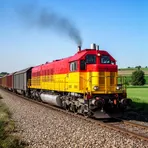
A railway engine that runs on diesel fuel rather than steam or electricity


 1
3.9
1
3.9
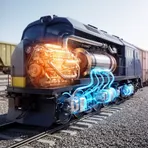
A train engine that runs on electricity from overhead wires or a third rail
- Specialized
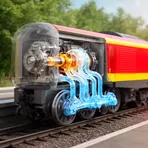
A train engine that uses a diesel engine to make electricity that runs its electric motors
- Specialized
A train engine that uses a diesel motor and fluid pressure to drive the wheels




- Archaic
A steam engine that carries its own fuel and water so it needs no separate car
How Mobile

Surface Forms
Morphology
locomotive = locomotion (transparent) = locomot + ive
Formed from the movement stem (locomot-) with the adjectival suffix '-ive'; the meaning 'relating to movement' follows standard derivation.
Etymology
Locomotive as an adjective comes from the parts loco- meaning 'place' and mot- meaning 'move', like in location and motion, so it describes something that has to do with movement. That's why 'locomotive functions' means the body's ability to move.