

diesel-electric locomotive
- noun
- /ˈdiːzəl ɪˈlɛktrɪk ˌloʊkəˈmoʊtɪv/
- Specialized
- The new diesel-electric locomotive can travel long distances without needing to refuel frequently.
Examples
-
Diesel-electric locomotives began to emerge toward the latter part of the decade.
Academic text (2005) -
Many rail companies are upgrading their fleets with diesel-electric locomotives to reduce emissions and improve performance.
-
Engineers praised the efficiency of the diesel-electric locomotive as it powered through the mountainous terrain.
Synonyms
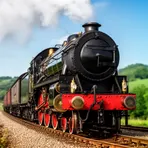
 89
3.5
89
3.5

A vehicle that pulls train cars on railway tracks
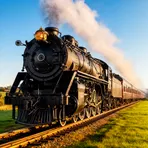 37
4.6
37
4.6
A train engine that pulls rail cars
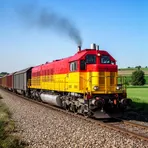 1
4.1
1
4.1
A railway engine that runs on diesel fuel rather than steam or electricity
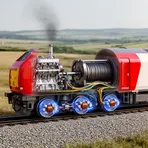

 1
5.5
1
5.5
A train engine that uses electric motors powered by a diesel engine

A machine on train tracks that pulls or pushes trains
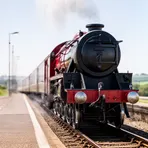
A large machine on wheels that pulls a train on tracks
Surface Forms
Morphology
diesel-electric + locomotive
The phrase is fully compositional: 'diesel-electric' combines 'diesel' (a diesel engine/fuel) and 'electric' (using electricity), and with 'locomotive' (rail vehicle) a B1 learner who knows these words can infer it is a locomotive powered by electric motors driven by a diesel engine. This naming pattern is common and cross-linguistically transparent in technical contexts, so the meaning is directly derivable from the constituents.
Etymology
Diesel-electric locomotive literally describes a train where a diesel engine makes electricity to run the electric motors on the wheels. So the name explains that the locomotive uses a diesel engine to 'power' those electric motors.