

to know
 ∞
1.0
∞
1.0

- verb
- /noʊ/
- You totally know who he is, that guy.
- know the name
- immediately know
Loading YouTube…
Watch on YouTubeAnd then you know who gave you the edible?
- And then you know who gave you the edible?
- Well, I how do you know who I am?
- She just keeps me like, where do I know that name?
- This groove is unmistakable and it's by my favorite band, so you know who the band is.
- He skidded up on his bike and he saw my face and I knew him.
Examples
-
But who over there knows who this is?
-
At any given moment, each child knew exactly what to do and where to do it.
Academic text (2012) -
I asked the participants what they knew about music programs for their children.
Academic text (2013) -
In short, in a few years we will know more about the Arctic than ever before.
Academic text (2008) -
I'd like to know what you think of cats.
-
The smartest people I know are the most humble.
-
"My only regret is that Gene Merchant, whom I knew professionally, passed away in 2006."
Academic text (2011) -
I know you from our meetings at the conference last year.
-
She knows the difference between right and wrong very well.
-
Do you know her from the charity event we attended?
Synonyms
 ∞
1.8
∞
1.8
Say who someone is or what something is
 ∞
1.4
∞
1.4
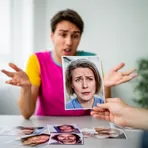
To see or hear someone and know who they are
 629
4.2
629
4.2
To notice something by feeling or by using a tool
 369
3.0
369
3.0
To become aware of something in your mind and understand it
 177
3.1
177
3.1
To notice differences between things or people
 70
5.8
70
5.8
To notice something that is hard to see or hear
 31
4.2
31
4.2
To notice small differences between things


 1
9.6
1
9.6
To notice and understand something in your mind

To tell the difference between two similar people or things
Idioms





- Informal
11
4.9
Understand what really happens in a situation, often when it is bad


- Informal
3
9.9
To have secret information about hidden bad things in a group







- Informal
Said when someone will not tell and the other person must find out


- Informal
To not recognize someone at all because you have never met them


- Informal
A person who says or writes something that sounds like a poem without knowing it

Phrasal Verbs






Compounds

- Specialized
588
9.6
A person who answers 'I don't know' to a question in a poll or survey



- Formal
12
5.5
A rule that gives information only to people who need it for their work

- Offensive
9
7.7
A person who acts like they have all the answers and won't listen to others



- Offensive
A 1850s American political party that opposed immigrants and Catholics
How Recognizable

Surface Forms
Etymology
Know comes from an ancient root that also meant 'recognize', seen in words like known and knowledge. That's why to 'know' a voice or a face means you can recognize or identify it.