
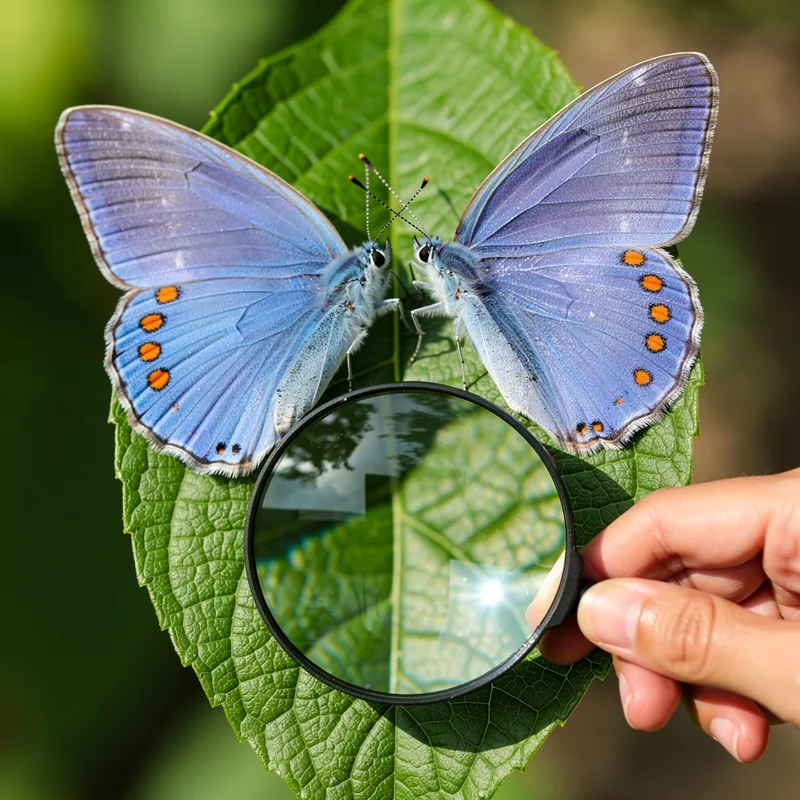
to distinguish
 177
3.1
177
3.1

- verb
- /dɪˈstɪŋɡwɪʃ/
- Teachers help students distinguish fact from opinion in their reading.
- distinguish between the two
- difficult to distinguish
- help distinguish
Loading YouTube…
Watch on YouTubeAnd then secondarily, how do you distinguish values from goals?
- And then secondarily, how do you distinguish values from goals?
- The brain cannot distinguish between real and virtual.
- So Aristotle distinguishes between two kinds of virtue.
- What's important is to distinguish between needs versus wants.
- And then the front part of the brain is what distinguishes us from the animals.
- See, I have this trouble where I can't distinguish between laziness and overwork.
- So can a single hair distinguish a bald man from a non bald man?
- The first thing we have to distinguish is that this is not family therapy.
- I guess I do want to say want to distinguish one thing.
Examples
-
But do you know what distinguishes pasta from Asian type noodles?
-
"Cecilia is now having trouble distinguishing between what is real and what is not."
-
Everyone does, but how do you then distinguish between the two?
-
So it's really hard to distinguish that from a heart attack.
-
So you have to learn over time to distinguish what is noise and what is signal.
-
In life, it's important to distinguish between need and want.
-
Do you believe he was able to distinguish right from wrong?
-
You will learn to distinguish birds by their call, and you will know every tree and plant by its name.
-
As in the real world, it's often difficult to distinguish between acquiring information and using it.
Academic text (2011) -
The same is true of helping readers to distinguish fact from opinion.
Academic text (2011)
Synonyms
 ∞
1.8
∞
1.8
Say who someone is or what something is
 ∞
1.4
∞
1.4
To see or hear someone and know who they are
 576
2.1
576
2.1
To notice someone or something, especially when it is hard
 225
2.3
225
2.3
To tell how two things are different
 71
4.4
71
4.4
To show or notice how things are different
 70
5.8
70
5.8
To notice something that is hard to see or hear
 64
3.0
64
3.0
Notice a sound or sight among other things
 41
3.0
41
3.0
To notice a difference between two similar things
 31
4.2
31
4.2
To notice small differences between things
 2
3.9
2
3.9
To keep something separate for a special use or to show it as different

To tell similar things apart by noticing small differences

To show that two people or things are not the same

To show how one thing is different by comparing it with another
Antonyms


How Distinct

Surface Forms
Etymology
Distinguish comes from the parts dis- 'apart' and stinguere 'to prick or mark', like making a small mark to show two things are not the same. So to distinguish one thing from another is to notice or show the small differences that set it apart.