

to separate
 225
2.3
225
2.3

- verb
- /ˈsɛpəˌreɪt/
- Our job is to separate fact from fiction.
- separate fact from fiction
- difficult to separate
- separate into categories
Loading YouTube…
Watch on YouTubeGB News, you're right, I should separate out my criticisms.
- GB News, you're right, I should separate out my criticisms.
- And why is it we continue to separate fact and values?
- And the question is how to separate the the two, right?
- Mindset is what separates the best from the rest.
- And we're able to really separate tiny differences.
- Our job is to separate fact from fiction.
- He too does not separate consciousness from the absurd.
- So it's, it's so difficult, I think to separate that out.
- But inside I like to separate by Etsy store.
- Another the other question, separate that question out.
Examples
-
This will just help to really separate the pairs.
-
It's gonna be hard to separate the art from the artist.
-
Let me make sure I separate these two.
-
And why is it we continue to separate fact and values?
-
And the question is how to separate the the two, right?
-
You must find a way to separate yourself.
-
How are they to separate fiction from fact?
-
And we're able to really separate tiny differences.
-
The authors introduce authentication projects as a means to separate historical fact from fiction and increase student engagement.
Academic text (2013) -
How can we separate the different genres in this music playlist?
Synonyms
 680
1.1
680
1.1
To split something into parts or groups
 451
1.0
451
1.0
To put things into groups by type or order
 256
4.2
256
4.2
To keep someone or something apart from others
 177
3.1
177
3.1
To notice differences between things or people
 110
3.4
110
3.4
To put people or things into groups based on shared features
 71
4.4
71
4.4
To show or notice how things are different
 47
2.6
47
2.6
To divide something into smaller parts
 41
3.0
41
3.0
To notice a difference between two similar things
 37
2.8
37
2.8
To put things into groups and into the right order
 31
4.2
31
4.2
To notice small differences between things
 24
7.4
24
7.4
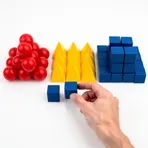
To separate parts of your life, work, or feelings so they stay apart
 19
2.9
19
2.9
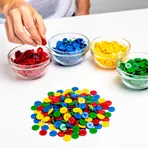
To put people or things into groups by shared features
 17
4.2
17
4.2
Put things into groups that are alike
 3
7.5
3
7.5
To separate something into smaller parts to study it
 2
3.9
2
3.9
To keep something separate for a special use or to show it as different

To tell similar things apart by noticing small differences

To show that two people or things are not the same

To separate things or people from each other

To divide something into separate parts
Antonyms

Idioms


- Informal
3
6.6
To pick out useful people or things from those that are not
Phrasal Verbs


How Distinct

Surface Forms
Etymology
Separate comes from the Latin separare, where se- means 'apart' and the rest means 'part'. So to separate ideas or things is to set them 'apart' so you can see or sort the differences.