

to immure
 1
9.9
1
9.9

- verb
- /ɪˈmjʊr/
- Archaic
 :
inmurar
:
inmurar
- There they read the plaque on a wall tomb revealing that nearly 130 years ago the family immured a young woman.
Examples
-
We can no longer bear to see numbers of our parents immured in workhouses, our fathers separated from our mothers in direct contradiction to the laws of God and man, our sons degraded below human nature, our husbands and our little ones clothed in rags and pining on the face of the earth.
-
Perhaps we could simply... immure her.
-
In one, an unseen hand immures me.
Fiction book (1999) -
They would immure her.
Fiction book (1999) -
It immures them and leaves them to suffocate.
Academic text (1996) -
For several weeks, she carries the egg sac in her jaws and immures herself within a silken cocoon, leaving only to warm her eggs in the sun.
Academic text (1991) -
The king ordered his enemies to be immured in the dungeon beneath the castle.
-
The ancient texts described how the villagers immured the traitor within the stone walls of their fortress.
-
After the coup, the leaders of the opposition were immured to prevent them from taking power.
Synonyms
 300
4.0
300
4.0
Put someone or something in a place where they cannot leave, for example a jail
 178
4.2
178
4.2
Put someone in prison as a punishment or keep them locked up
 115
5.8
115
5.8
To lock someone in prison or a secure place
 108
2.1
108
2.1
To put someone in prison as punishment
 86
4.6
86
4.6
Hold a person or thing so it cannot move freely
 40
1.0
40
1.0
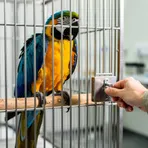
To put a person or animal into a space with bars that keeps them from escaping
 35
6.2
35
6.2
To restrain someone with chains or limit their freedom
 26
4.3
26
4.3
Send a person to prison as punishment
 25
8.5
25
8.5
To put someone back in custody until their next hearing
 21
6.0
21
6.0
To stop movement or action
 6
6.7
6
6.7
Surround a person or thing so they cannot leave
 2
5.4
2
5.4
To put someone or something into a small space with bars to stop them moving freely

To put someone in prison as punishment

To put someone in jail
Antonyms


How Confined
- Formal
178
4.2

- Archaic
1
9.9
215
4.2
- Formal
169
5.9
361
3.1
Surface Forms
Morphology
Etymology
The word immure comes from Latin parts in- 'in' and murus 'wall', so it originally meant 'to put into a wall' or 'to wall in'. You can see the same root in mural ('a wall painting'), and that image of being closed in by walls explains why immure now means to enclose or imprison someone.