

hyacinth
- noun
- /ˈhaɪəsɪnθ/
- Specialized
- The composition of water hyacinths and other aquatic macrophytes removed from a treatment system can provide an estimate of their nutrient removal potential (20, 21).
Examples
-
Water hyacinth and other alien water weeds that choke waterways currently cost developing countries in Africa and Asia more than US$100 million annually.
Academic text (2004) -
Bezoar and hyacinth stone show equally admirable properties.
Fiction book (1991) -
This is the only place in the world where flower and vegetable gardens float, created by joining beds of water hyacinth and flotsam.
Academic text (2004) -
Bluer and deeper than hyacinth blue or mazarine blue, stronger than cyanine blue.
Fiction book (1996) -
Third, species that are successful invaders in one situation are likely to be successful in other situations; rats, water hyacinth, microorganisms, and many others fall into this category.
Academic text (2004) -
PHOTO (COLOR): Water hyacinth and other weeds clog African and Asian waterways, costing these countries more than US$100 million in damages each year.
Academic text (2004) -
This exquisite hyacinth gemstone shone brilliantly under the light, captivating everyone in the room.
-
She admired the deep red color of the hyacinth on display at the jewelry store.
-
The antique ring was set with a rare hyacinth, making it a valuable addition to the collection.
Synonyms

 4
7.5
4
7.5

A hard natural stone with small crystals used as a gem and in furnaces

A red-orange clear stone used as a gem

A common mineral in small crystals used to make the metal zirconium and clear gemstones
Compounds

- South African
A small plant with white, bell-shaped flowers that grows in the Cape region of South Africa

- Specialized
A small garden plant with clusters of dark blue bell-shaped flowers
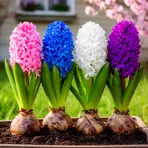
A plant with a bulb that makes sweet-smelling pink, blue, white, or purple flowers in spring


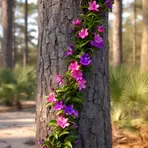
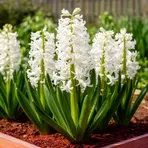
- South African
A plant from southern Africa with white bell-shaped flowers grown in gardens
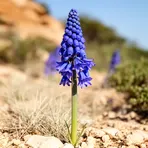
- Specialized
A Mediterranean plant with a top group of blue-violet flowers above other flowers

A floating plant with thick leaves and blue or purple flowers that grows fast and blocks rivers
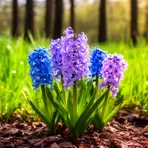
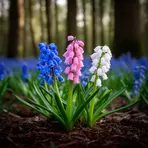
A small plant that grows in woods with blue, pink, or white flowers shaped like bells
Surface Forms
Etymology
Hyacinth for the red gemstone comes from the Greek name Hyakinthos, a young man in a myth who was turned into a flower. People later used the same name for a warm red gem because its color reminded them of the flower.