

hearing impairment
 1
3.9
1
3.9

- noun
- /ˈhɪrɪŋ ɪmˈpɛrmənt/
- Specialized
- The doctor explained that a hearing impairment can vary from mild to profound.
- visual and hearing impairment
- severe hearing impairment
- children with hearing impairment
Examples
-
Creating an inclusive environment for individuals with hearing impairment requires that we caption video content.
Blog text (19) -
The challenges these teenagers face are the same as those of other teenagers with hearing impairments.
Academic text (1997) -
More than 28 million individuals in the United States have hearing impairment (1).
Academic text (1993) -
Half of the older adult population suffers from some hearing impairment, and many of them wear hearing aids.
Academic text (1993) -
And Ricardo wasn't the only student with a hearing impairment in band that year.
Academic text (2006) -
Amy Rowley was a student of kindergarten age with a hearing impairment.
Academic text (2015) -
The numbers investigated were small, follow-up times were short, and the effects on hearing impairment were not ascertained.
Academic text (1998) -
School district rosters categorized DHH students in a single "hearing impairment" category.
Academic text (2015) -
Chronic suppurative otitis media (CSOM) is the commonest cause of childhood hearing impairment in developing countries.
Academic text (1998) -
Many children experience a hearing impairment that affects their learning in school.
Synonyms
 13
2.7
13
2.7
A condition in which you cannot hear well in one or both ears
 11
2.7
11
2.7
A condition in which a person cannot hear well or at all


 1
3.3
1
3.3
A problem that makes it hard to hear sounds or understand speech
 1
5.3
1
5.3
Hearing loss from damage to the inner ear or the nerve that sends sound to the brain

A partial loss of hearing that makes sounds quieter
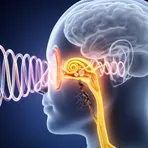
Hearing loss caused by damage to the inner ear or the part that sends sound to the brain

Sound cannot pass through the middle ear to reach the inner ear, causing hearing loss

Hearing loss from a problem in the middle ear that stops sound reaching the inner ear

Hearing loss caused by problems with the small bones in the middle ear

A slow loss of hearing as people get older
How Severe

Surface Forms
Morphology
The meaning 'partial or total loss of the ability to hear' is directly and compositionally derived from 'hearing' (ability to perceive sound) plus 'impairment' (diminished function). This straightforward noun+noun combination follows common cross-linguistic patterns, so a B1 learner who knows both constituents will readily infer the MWE meaning.
Etymology
Hearing impairment joins hearing (the ability to hear) and impairment (something that makes that ability weaker), so imagine the sound for someone's ears being turned down like a 'volume' knob. That's why it means 'partial or total loss of the ability to hear'.