
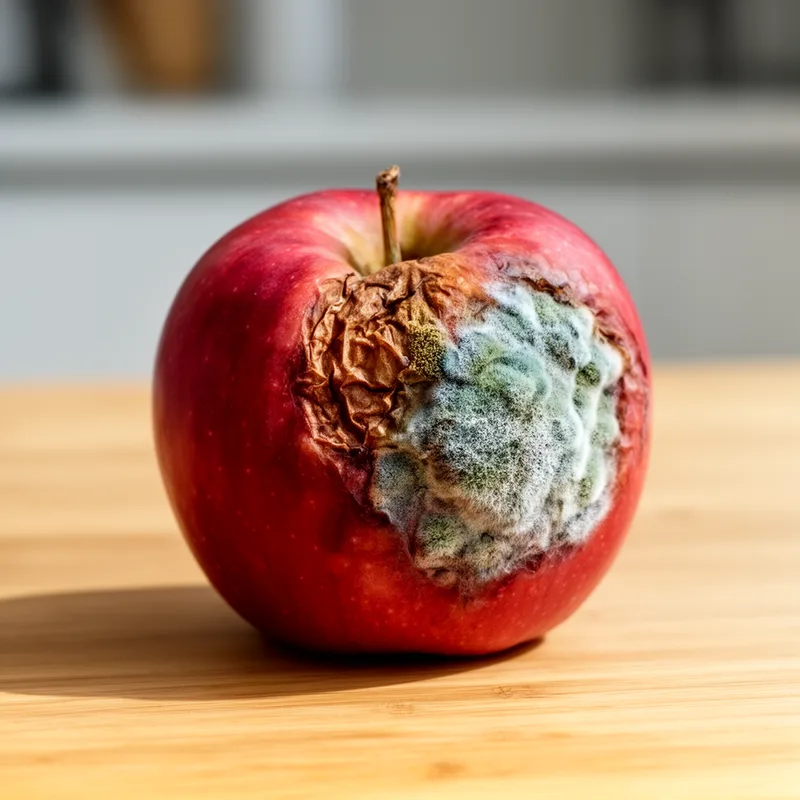
to go bad
 32
2.1
32
2.1

- phrasal verb
- /ɡoʊ bæd/
- My bananas were going bad... - Enough!
- food going bad
- meat going bad
- loan goes bad
Loading YouTube…
Watch on YouTubeFood is just going bad at an alarming like just quickly.
- Food is just going bad at an alarming like just quickly.
- Need power, Everything in the fridge starts going bad.
Examples
-
Besides, it's gonna go bad before we can eat it all.
-
Oh, man, my liverwurst is gonna go bad.
-
I'm trying to avoid stuff that goes bad quickly because we're not eating the cookies.
-
Just don't want them to go bad.
-
They're about to go bad.
-
There are too many; they'll go bad before we eat them.
Fiction book (1990) -
We've got some fresh fruit that we're gonna have to eat soon or it's gonna go bad.
-
If the cereal is dry, grab a bowl and eat something before the milk goes bad.
-
I've got fruit in the back that's about to go bad.
-
If you leave the bread out too long, it will go bad and become moldy.
Synonyms
 433
4.6
433
4.6
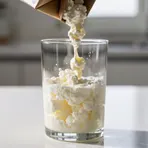
Go bad, especially food or drink
 146
5.9
146
5.9
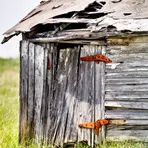
To get worse in quality, condition, or value
 30
1.6
30
1.6
To go bad and not be safe to eat
 17
4.1
17
4.1
To become bad or fail, for example a relationship
 16
4.2
16
4.2
To slowly become weaker or fall apart because it is not cared for
 3
8.2
3
8.2
To become ruined or not cared for
Antonyms
How Spoiled

Surface Forms
Morphology
The phrase literally combines 'go' (come to be in a state) + 'bad' (not good/spoiled), so a learner can derive a general meaning 'become bad' from the parts. However the specific sense (spoil, become defective, or stop functioning) depends on context and is an extension of the basic compositional meaning, so the exact interpretation may not be fully predictable without exposure.
Etymology
The verb go bad comes from the simple image of food turning rotten: the verb go means 'become' and bad means 'not good to eat'. When milk or fruit is left out it smells or grows mold, so it has 'gone bad' and is 'not safe to eat'.