

to flame
 11
7.8
11
7.8

- verb
- /fleɪm/
- Offensive
- I know I'm going to get flamed like holy hell for saying all this out loud.
- cheeks flamed
- face flamed
- flaming anger
Loading YouTube…
Watch on YouTubeYeah, those people that you say, like are Drake riders and they're still like kind of flaming, adding fuel to the flame.
- Yeah, those people that you say, like are Drake riders and they're still like kind of flaming, adding fuel to the flame.
Examples
-
I need to, you know, flame him in some way and call out his, his, his horrible reasoning or anything in between.
-
I am a Christian, so go ahead and flame away, but I like that men and women are different.
Blog text (16) -
Try to keep the language clean and don't flame any of our members.
Blog text (11) -
So does the guy who's flaming him on his Web site.
-
But you are right, I've probably broken my personal rule about flaming a few times recently.
Blog text (24) -
Reviews are there to express opinions, just like you do when you 'flame' or criticize this author.
Blog text (22) -
Let's flame these bozos.
-
And if this isn't directed at you, then don't flame me for dissing you, because I am not.
Blog text (6) -
After the debate, many users took to social media to flame the speaker for their controversial opinions.
-
It's never okay to flame someone in online forums just because you disagree with them.
Synonyms
 597
3.4
597
3.4
To strongly criticize someone or something in public
 71
5.6
71
5.6
Suddenly say angry things about someone by speaking or writing
 61
5.3
61
5.3
To strongly criticize someone in public
 23
8.2
23
8.2
To say angry, insulting things about someone or something
 15
7.3
15
7.3
To severely criticize someone or something
 9
9.8
9
9.8
To criticize someone or something very harshly in public
 7
8.9
7
8.9
To speak angrily to someone for a long time
 3
9.5
3
9.5
Say bad things about someone in public to show others what they did
 3
7.8
3
7.8
To send a large fast stream of questions or messages to someone
 1
8.1
1
8.1
To criticize someone or something very harshly


 1
6.7
1
6.7
To criticize someone or something strongly in public
 1
7.5
1
7.5
To speak angrily and strongly to criticize someone
 1
9.9
1
9.9
Angrily criticize someone or something

Attack someone with strong words in public

Strongly insult someone in front of others to embarrass them
Antonyms

Phrasal Verbs

Compounds





- US
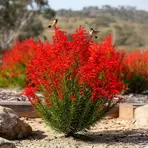
A desert plant with thick roots and narrow succulent leaves, each stem having one reddish-orange flower
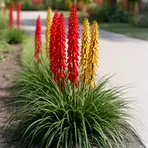
A garden plant with long grasslike leaves and tall spikes of red or yellow drooping flowers



- Specialized
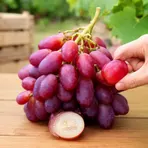
A table grape with purple-red skin, large juicy berries and a sweet taste

- Specialized
A special cell that removes liquid waste from small soft animals like flatworms


A tall garden plant with long grasslike leaves and red or yellow hanging flower spikes



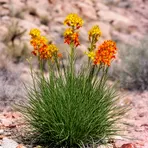
A plant from the southwestern United States with narrow leaves and yellow-orange flowers
How Harsh
43
7.9
 548
3.2
548
3.2
- Offensive
11
7.8
- Offensive
543
2.1
701
3.3
Surface Forms
Etymology
Flame (online) is a newer, figurative use that treats angry words like fire; a helpful way to remember it is to think of 'burning' someone with words. So to flame someone on the internet means to attack them with strong, insulting messages.