

to scorch
 15
7.3
15
7.3

- verb
- /skɔrtʃ/
- The journalist scorched the government's response to the crisis in her latest article, highlighting its failures.
Loading YouTube…
Watch on YouTubeRicky Gervais, like, just overcame the concern about it and then goes and just scorches.
- Ricky Gervais, like, just overcame the concern about it and then goes and just scorches.
Examples
-
Don't make me scorch the earth on your punk ass.
-
"I think you can find ways to meet the intent of the Food Code without a scorched-earth policy," he said.
Academic text (2009) -
Last Friday there was a jobs report, scorching report, according to CNBC or Reuters or one of these places.
-
" All right, then!" He leveled a scorching glare at her.
Fiction book (1992) -
Grisham also issued a scorching harangue against Stone, claiming the director "is saying murder is cool and fun."
Academic text (1998) -
The critic scorched the movie for its lack of originality and poor acting.
-
During the debate, the senator scorched his rival's policies, calling them ineffective and damaging.
Synonyms
 61
5.3
61
5.3
To strongly criticize someone in public
 55
2.2
55
2.2
Speak angrily to someone who has done something wrong
 37
8.1
37
8.1
To scold someone very strongly for something they did
 36
7.2
36
7.2
Scold someone angrily and severely
 32
8.0
32
8.0
To criticize someone or something very harshly, often in public
 26
6.9
26
6.9
To tell someone firmly that you do not approve of their actions
 23
8.2
23
8.2
To say angry, insulting things about someone or something
 14
8.8
14
8.8
To criticize or punish someone very harshly
 12
8.2
12
8.2
To criticize someone very strongly and angrily
 11
7.8
11
7.8
To send angry, insulting messages to someone online
 11
8.1
11
8.1
To angrily tell someone off
 9
9.8
9
9.8
To criticize someone or something very harshly in public
 9
8.1
9
8.1
To attack someone with very strong words
 7
9.3
7
9.3
To criticize someone publicly to make them feel ashamed
 6
8.8
6
8.8
To scold or punish someone severely to show strong anger, not a real action
 4
7.9
4
7.9
Scold someone very strongly for a mistake
 3
9.5
3
9.5
Say bad things about someone in public to show others what they did
 3
8.8
3
8.8
To scold someone strongly for something they did wrong
 2
7.1
2
7.1
To scold someone angrily and severely
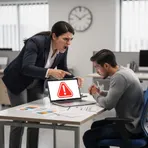 1
8.1
1
8.1
To scold or punish someone angrily for something they did wrong
 1
8.0
1
8.0
To criticize someone or something very strongly in public
 1
8.1
1
8.1
To criticize someone or something very harshly


 1
8.6
1
8.6
To scold someone very strongly for a mistake

To criticize someone angrily using harsh words

To say bad things about someone in public to make them feel ashamed

Attack someone with strong words in public

Strongly insult someone in front of others to embarrass them

To attack someone with angry words

To scold someone angrily for something they did
Antonyms

Compounds

- Specialized
Leaves with brown edges that look burned from heat, drought or poor watering
How Harsh
43
7.9
 15
7.3
15
7.3
- Formal
16
8.0
- Formal
26
6.9
701
3.3
∞
1.0
Surface Forms
Etymology
Scorch originally meant to strip or burn a surface (from old French escorchier), and people use the same picture for words: to 'burn' someone with harsh speech. So scorch can mean to criticize someone very strongly.