
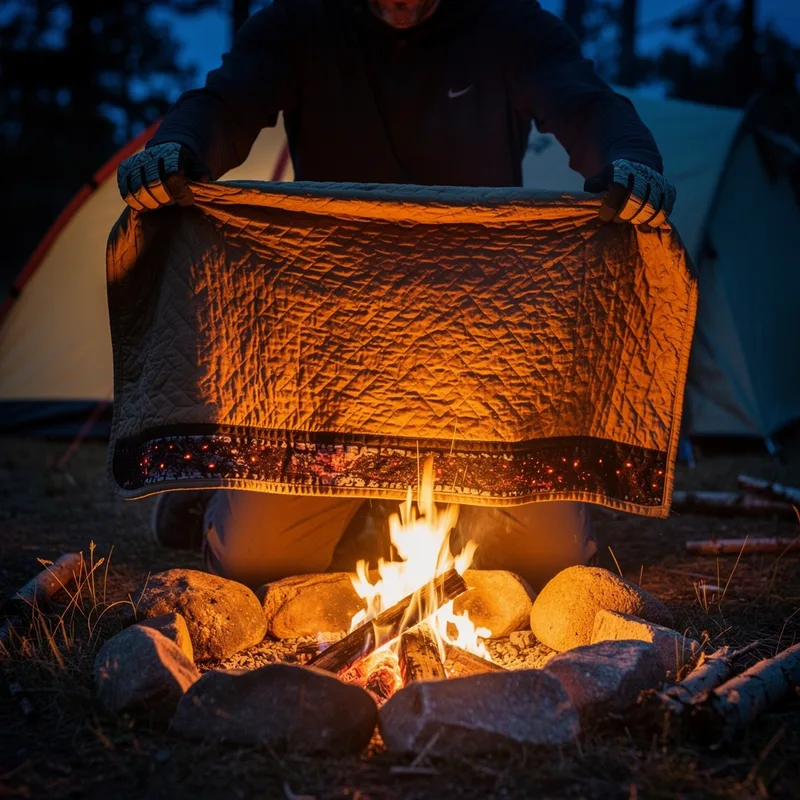
flame-retardant
 5
4.9
5
4.9

- adjective
- /fleɪm rɪˈtɑrdənt/
- Specialized
- The company decided to use polyetheretherketone polymer, or PEEK, supplied by Victrex USA Inc. of West Chester, Pa., because PEEK is flame-retardant and provides rigidity and strength at very high temperatures.
- brominated flame-retardant
Loading YouTube…
Watch on YouTubeAnd these things were flame retardant and it created a cloud of smoke.
- And these things were flame retardant and it created a cloud of smoke.
Examples
-
The new building materials include flame-retardant panels to enhance safety during a fire.
-
Properly selected resins are used to fabricate reinforced plastic composites for corrosion-resistant, heat-resistant, and flame-retardant applications.
Academic text (1998) -
And these things were flame retardant and it created a cloud of smoke.
-
The actual uniform will be flame retardant, which is a good thing, don't you think?
-
So, everything they sent us up here with is flame-retardant... with the notable exception of... Martinez's personal items.
-
If a couch was purchased outside California before 2000, it has a 50 percent chance of containing flame retardant chemicals.
Blog text (2) -
Since the tape was used inside the penitentiary to repair things like mattresses, for example, it was essential that it be flame-retardant.
Fiction book (1994) -
The fabric is flame-retardant, white opaque, 18 to 24 ounce coated polyester scrim.
Academic text (2001) -
The firefighters sprayed flame-retardant foam on the area to prevent the fire from spreading.
-
She chose a flame-retardant fabric for her curtains to minimize the risk of fire in her home.
Synonyms
 5
4.4
5
4.4
Not easy to burn because it has a special treatment
 3
4.1
3
4.1
Not easily burned in a fire
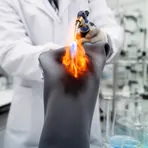 1
3.9
1
3.9
Hard to burn or set on fire


 1
4.1
1
4.1
Does not catch fire or burn easily
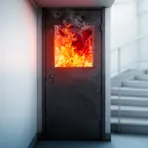
Does not burn easily in a fire, for example walls or doors
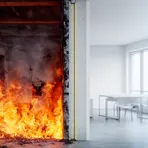
A material or building that is difficult to burn and able to stay whole in a fire for some time
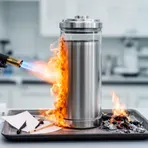
Not able to burn or be set on fire
Antonyms

How Fire-Resistant

Surface Forms
Morphology
Etymology
Flame-retardant comes from the parts flame and retardant, where retardant means 'to slow' or 'delay'. Think of it as a 'brake' for fire: it resists catching fire and slows or stops the spread of flames, which is why flame-retardant materials help keep things safer.