
epoch
 1
7.9
1
7.9

- noun
- /ˈɛpɒk/
- Specialized
- The Universe only became "transparent" when electrons combined with protons to form neutral hydrogen atoms; astronomers refer to the time of this union as the "epoch of recombination."
Examples
-
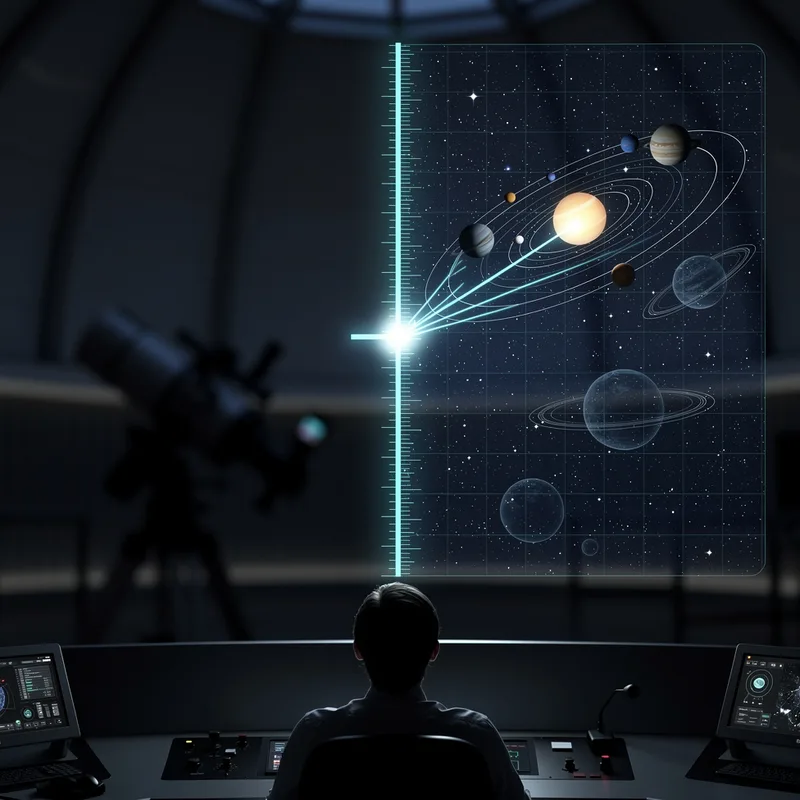
In the field of astronomy, an epoch serves as a standard reference point for tracking celestial objects over time.
-
The email file numbers are standard UNIX epoch numbers.
Blog text (19) -
The reduction of position measurements to a common epoch was, to put it mildly.
Academic text (1992) -
The epoch is a date that refers to astronomical observations, while equinoxes correspond to two special dates during the year.
Academic text (2015) -
Here is a simple Unix program for converting UNIX epoch time into "ctime."
Blog text (19) -
The only light present before the epoch of recombination was the cosmic background radiation, a universal radiation permeating every nook and cranny.
Academic text (2004) -
From the recent Wilkinson Microwave Anisotropy Probe (WMAP) mission, this epoch was accurately determined to be 380,000 years after the beginning of the Big Bang.
Academic text (2004) -
The launch of the spacecraft was scheduled for a specific epoch, which allowed scientists to plan their observations more accurately.
-
Astronomers often refer to the Galactic epoch when studying the movement of stars across the night sky.
Synonyms

A fixed date used as the standard time for recording positions of stars and planets
Compounds

- Specialized
A period in Earth's history about 56 to 34 million years ago when many modern mammals appear

- Specialized
A time about 23 to 5 million years ago when many animals began eating grass

- Specialized
A time in Earth's history that began about 11,700 years ago and continues now

- Specialized
A time about 34 to 23 million years ago when the climate cooled and many modern mammals appeared

- Specialized
A time 66 to 56 million years ago after the dinosaurs died when early mammals and birds first appeared

- Specialized
A period about 5.3 to 2.6 million years ago when the climate cooled, mountains rose, and mammals spread
Surface Forms
Etymology
The word epoch comes from the Greek epokhē, 'a fixed point in time' or 'pause'. That's why astronomers use an epoch as the fixed date they use to record and compare positions of stars and planets.